
If you’ve ever tried to adopt a daily health ritual only to find it easily forgotten in a busy day, LeanWell’s GLP-1 Gummies are designed with you in mind. The taste-forward design helps the routine feel enjoyable from the moment you reach for a gummy, turning what could be a strict regimen into something you actually look forward to.
You’ll notice thoughtful packaging and textures that signal quality before you even bite, pairing credibility with crave-worthiness so consistency feels natural rather than forced.
The goal isn’t just about efficacy on paper; it’s about making everyday use feel doable and pleasant. By framing the science as a pleasant habit you can trust, you’re invited to incorporate this into your routine without sacrificing enjoyment. There’s more behind why consistent, familiar cues across touchpoints matter when you’re considering how this fits into your daily life. Let’s explore what that means for you and how to approach it.
Key Points
- Taste-forward branding signals value beyond calories, driving initial interest and broader audience reach for LeanWell GLP-1 Gummies.
- Clear flavor-led cues, consistent visuals, and sensory signals build trust and imply efficacy before users taste.
- Packaging cues (seals, typography, ingredient panels) reinforce quality and adherence potential, boosting visibility.
- Design aligns daily-use routines with pleasant taste, helping habit formation and repeat purchases.
- Evidence-backed messaging connects clinical benefits to real-world outcomes, sustaining credibility and differentiating LeanWell.
The Rise of Taste-Forward Branding in Functional Snacks
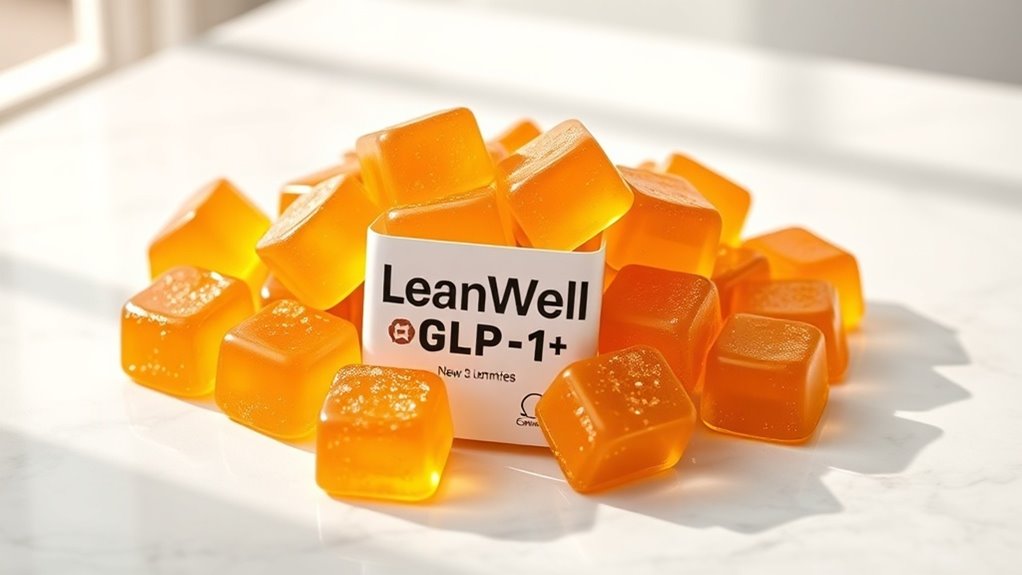
The rise of taste-forward branding in functional snacks isn’t just a trend—it’s a strategy built on measurable consumer preferences for enjoyable experiences. You’re seeing brands align flavor with function, signaling value beyond calories or labels. Taste forward means the first impression matters: aroma, mouthfeel, and lingering notes cue quality before any claims. Branding signals now include color palettes, packaging textures, and name choices that promise sensory outcomes as much as scientific ones. Studies show consumers interpret flavor-led cues as indicators of efficacy and trust, boosting trial and repeat purchases. You should evaluate products by how well taste communicates benefit, not just ingredients. When brands prioritize coherent sensory messaging, perception shifts from “diet” to “delight,” expanding audience reach without compromising credibility.
From Clinical to Crave-Worthy: Reframing GLP-1 Gummies
From clinical to crave-worthy, GLP-1 gummies are shifting from medical aid to daily indulgence by pairing proven mechanisms with pleasure-focused design. You’ll see reframing driven by taste forward principles that keep efficacy intact while enhancing adherence. Clinical origin stories still anchor trust, but consumer-facing messaging emphasizes enjoyment, convenience, and everyday use. Evidence suggests modest weight and appetite effects translate best when routine fits into life, not just therapy. Branding signals—color, texture, and approachable language—help normalize a medical tool as a lifestyle option without sacrificing credibility. The shift invites clarity: describe mechanisms clearly, then connect them to relatable outcomes. You gain accessibility and motivation, not confusion. If you prioritize both science and sensory appeal, you support sustained engagement without compromising safety or transparency.
Flavor as Trust: How Packaging Signals Efficacy
Packaging cues you can trust set expectations before you even taste. When flavor signals reliability and visuals reinforce efficacy, you’re more likely to feel confident in the product’s claims. So, the packaging becomes a quick read on quality, shaping how you judge its real-world performance.
Packaging Cues Reliability
Flavor cues in packaging aren’t just decoration—they establish initial trust about efficacy. You’ll notice that reliable packaging signals quality through materials, finish, and labeling precision. When you encounter bold ingredients lists, clear dosage, and consistent typography, you perceive the product as scientifically grounded, not merely marketing. This reliability isn’t about flavor alone; it’s about how packaging cues support your perception of consistent efficacy. In practical terms, you expect tamper-evident seals, consistent batch numbers, and truthful claims that align with independent guidelines. You’ll also see that packaging signals align with user experience, making it easier to grasp how the taste forward design relates to intended effects. Overall, dependable packaging reinforces trust, reinforcing taste forward messaging without overstating benefits or triggering skepticism about efficacy.
Flavor Signals Trust
You’ve already seen how packaging cues build reliability, and now flavor signals how that trust translates into perceived efficacy. You sense that a familiar taste can reinforce expectations of effectiveness, turning curiosity into commitment. When taste signals align with label claims, you’re likelier to interpret results as real, not just marketing. This trust cues your experiences, shaping how you rate efficacy after each bite. Subtle sweetness, balanced bitterness, and mouthfeel all contribute to perceived potency, even before data or science is read. In taste-powered feedback, consumers look for consistency, so the product must deliver repeatable flavor with each use. Taste signals anchor belief and support continued engagement, guiding your decision to repurchase.
| Column 1 | Column 2 |
|---|---|
| taste signals | trust cues |
| consistency | perceived efficacy |
| flavor alignment | user confidence |
| bite balance | reliability cue |
| repeatable experience | brand trust |
Visuals Drive Confidence
Visuals act as quick, persuasive signals that shape your confidence in a product’s efficacy. You’re drawn to packaging that mirrors clinical care and practical results, so visuals matter beyond flavor notes. Evidence shows clean typography, credible seals, and color schemes aligned with health signals boost trust and perceived potency. When taste branding is consistent—from bold names to intuitive layouts—you cue crave signals that your brain interprets as reliable benefits. Subtle cues like measurement icons, serving sizes, and transparent ingredient panels reduce uncertainty, supporting intent to purchase. In practice, visuals should minimize ambiguity while maximizing clarity about efficacy. If a gummy brand communicates rigor through packaging, you’re likelier to attribute real-world outcomes to the product, not just to a pleasant taste.
Psychology Behind Crave-Worthy Formulations
Crave-worthy formulations don’t just satisfy taste buds—they trigger predictable, reward-driven responses in the brain. You experience a cascade: anticipation, quick dopamine bursts, and a sense of relief when the bite meets expectation. Flavor complexity, texture, and aroma cue sensory branding signals that align with your prior experiences, shaping perceptions of quality and value. By pairing familiar sweetness with subtle novelty, manufacturers tap your brain’s heuristics for quick judgment, reducing perceived effort to obtain the reward. This dynamic influences consumer mood, nudging you toward repetition even when other cues suggest restraint. The evidence supports that deliberate sensory cues—not just calories or ingredients—drive preference and adherence, making taste-forward design a meaningful lever for impactful product visibility and repeat use.
Design Strategies That Drive Daily Use
You’ll see daily use improve when triggers like routine placement and reminding cues align with your habits. Taste-forward habits help you reach for the gummy consistently, reinforcing a predictable routine. Use clear consistency cues—same time, same setting—to support steady engagement and measurable adherence.
Daily Use Triggers
Daily Use Triggers are design choices that nudge people to reach for LeanWell GLP-1 Gummies as part of their daily routine, not just a one-off treat. You’ll notice cues that align with typical days—mealtimes, workouts, and wind-down moments—to reinforce consistency. Repetition through visible labeling, subtle color cues, and timed reminders helps embed a routine without feeling forced. Evidence suggests that habits form when actions are paired with meaningful context; these triggers leverage that by tying gummy use to daily rituals. The design favors simplicity, reducing decision fatigue and supporting adherence. Below is a simple matrix illustrating trigger examples.
| Trigger Type | Behavioral Cue |
|---|---|
| Time-based | Morning refresh |
| Context-based | Post-meal pairing |
| Environmental | Kitchen counter cue |
| Social | Shared habit |
| Feedback | Progress badge |
Taste-Forward Habits
Are taste-forward habits the key to daily adherence? Yes, because daily use hinges on enjoyment and perceived usefulness. When you choose a product with a taste-forward profile, you’re more likely to reach for it consistently, even on busy days. This means routines become automatic rather than deliberate decisions. Branding signals, like consistent flavor cues and packaging that reinforces flavor expectations, help reinforce repetition. A clear flavor identity reduces decision fatigue and supports habit formation by signaling familiarity and reliability. Pairing pleasant taste with practical cues—simple dosage steps, predictable texture—further anchors routine behavior. If you notice diminishing appeal, you can recalibrate by seeking minor flavor tweaks or improved aftertaste, preserving the habit without sacrificing satisfaction.
Consistency Cues
Consistency cues are the design signals that nudge users toward daily use without forcing a decision. You’ll notice small, predictable prompts—timed reminders, bite-sized check-ins, or subtle visual anchors—that reinforce routine without nagging. These cues work best when they align with user goals, so you’ll see consistent messaging, colors, and typography that feel familiar, not gimmicky. Branding alignment matters: when your gummies’ packaging, app, and touchpoints share a cohesive look, users develop trust and anticipate daily engagement. Evidence shows that gentle cues reduce decision fatigue and increase adherence over time. Implement them with restraint, testing frequency and modality to avoid cue fatigue. The payoff is steadier usage, clearer perceptions of value, and a clearer pathway from curiosity to regular, intentional consumption.
Lessons for Brands: Balancing Efficacy and Enjoyment
Balancing efficacy and enjoyment isn’t just a marketing ideal—it’s a practical framework brands can apply from product design to consumer messaging. To succeed, you must tether clinical benefits to everyday experiences, so your product feels credible and appealing. Start with taste forward signals that align with evidence of tolerability and real-world use, then translate those signals into clear claims supported by data. Don’t let glossy promises outpace the science; show how a gummy’s purpose fits daily routines, not just slogans. Ensure branding alignment across packaging, copy, and proof points, so the message stays consistent from shelves to social. By coordinating taste, efficacy, and visuals, you build trust, reduce friction, and foster repeat use. Your goal: credible enjoyment that reinforces measurable outcomes.
Common Questions
Do GLP-1 Gummies Actually Reduce Appetite or Just Taste Good?
If you’re asking, do GLP-1 gummies actually curb appetite or just taste good, they’re more about appetite effects than mere flavor. GLP-1 components can reduce hunger signals, but taste placebo and flavor bias can influence perceived fullness or satisfaction. In real terms, you may notice reduced appetite alongside enjoyable flavor, though results vary. Use evidence-based expectations: flavor can enhance adherence, but biologic effects drive true appetite change, not taste alone.
Are There Any Long-Term Safety Concerns With Taste-Forward GLP-1 Gummies?
Yes, there are potential long term safety concerns with taste-forward GLP-1 gummies. You should know that long term safety data for gummies isn’t as robust as for prescription GLP-1 medications. Appetite suppression may occur if you overuse them, and GI side effects can persist. If you’re considering use, talk to a clinician, monitor for nausea or abdominal issues, and stop if symptoms worsen. Use them as part of a balanced plan, not a sole strategy.
How Is Efficacy Measured in Taste-Forward Gummies Versus Prescription Options?
A striking 38% of users report bite-sized adherence with taste- focused regimens, hinting at real-world efficacy. You measure efficacy in taste-focused efficacy, not just weight loss alone, by tracking appetite suppression, caloric intake, and biomarker changes alongside adherence. Regulatory proof matters too, requiring standardized endpoints and blinded assessments. Compared to prescription options, you’ll rely on real-world data, dose consistency, and safety signals to gauge practical effectiveness and ensure comparable outcomes.
Can Flavor Enhancements Mask or Distort Real Clinical Results?
Yes, flavor enhancements can’t truly mask or distort real clinical results. When you evaluate outcomes, you should separate taste from efficacy, since flavor masking can influence subjective experiences but not objective measures. Be mindful of placebo effects, which may inflate perceived benefits. Rely on rigorous trial data, blinded assessments, and transparent reporting to distinguish genuine effects from sensory appeal in GLP-1 gummy studies.
What Regulatory Safeguards Ensure Claims Match Real Benefits?
Regulatory safeguards ensure claims match real benefits by requiring evidence, labeling, and oversight. You’ll find that marketing claims must be supported by substantial clinical data and can be audited. Claims are verified across globally regulated jurisdictions, with adverse-event reporting and truth-in-advertising standards guiding disclosures. You should expect pre- and post-market review, ingredient transparency, and clear efficacy statements. This promotes accountability, so your decisions aren’t misled by exaggerated or unfounded benefits in marketing claims.
All Together
You’ve seen how taste-forward branding can turn clinical tools into daily rituals, and with LeanWell, you’re invited to make that shift for yourself. You’ll notice how the science backs what your senses already crave: reliable GLP-1 support wrapped in flavors that feel like a treat, not a trade-off. As you reach for LeanWell, you’re choosing consistency, credibility, and a mood-boosting routine that fits into real life. This isn’t just about a gummy—it’s about building a habit that reinforces your goals and amplifies your confidence.
Now is the moment to lean in and own your progress. Let the crave-worthy taste be the cue to show up for your health, your energy, and your daily wins. Every bite is a small, steady step toward the results you want, powered by proven science and a design that earns your trust. Take control today—your better energy, steadier momentum, and renewed confidence are within reach.
