
Why Appetite Can Feel Stronger During Disruption
One reason appetite surges during disruption: cortisol and disrupted routines hijack hunger signals, but there’s more behind the cravings—keep reading.

One reason appetite surges during disruption: cortisol and disrupted routines hijack hunger signals, but there’s more behind the cravings—keep reading.

Meta Description: Led by how fast or slow digestion shapes hunger cues, this explores timing that leaves you craving more insight.
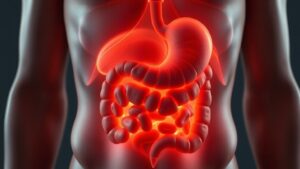
Growing signals from stomach to brain guide fullness, but will understanding these cues reveal how to pace meals for lasting satisfaction?

Why digestive stress heightens appetite triggers hidden gut-brain signals, but the full story behind this craving link awaits your deeper dive.

META DESCRIPTION]: Woven by fast stretch signals and slow hormonal cues, digestive signals pace intake—but what happens next to tip the balance?

Theories of delayed hunger signals reveal why you might crave snacks later than needed, leaving you curious to learn how hormones, meals, and sleep shape timing.

Sparks of hunger recalibrate with eating habits, but a deeper pattern waits—will you uncover how your meals shape future cravings?

Affecting appetite, digestive stress triggers brain-gut signals that reshape cravings—but how and why remains puzzling, inviting you to uncover the full mechanism.

META DESCRIPTION]: To satisfy but spark more questions, hormones andbrain signals can rebound after big meals, leaving some people hungry soon after despite fullness.

Inevitably, recognizing hunger signals vs. cravings can transform your eating choices—but do you know which cue is guiding you right now?