
Salo GLP-1 Booster is a gentle daily support you can weave into your routine, designed to smooth out how you eat without turning your world upside down. If you’ve noticed snacking creeping in or meals drifting apart from your natural hunger and fullness cues, this approach meets you where you are—offering a predictable, breakfast-tied dose that helps create small, regular exposure to signals your body already sends.
You’ll track how you feel—tolerance, mood, and mood-related energy—as you form steadier habits under clinical guidance. The idea isn’t to force big changes overnight, but to provide a clear, patient path that supports calmer appetite and steadier energy throughout the day, so you can approach meals with more ease and consistency.
Key Points
- Salo GLP-1 Booster supports steady eating by pairing brief, regular dosing with meal exposure to smooth daily intake.
- It aims to replace lingering snacking patterns, not add extra steps, promoting more even meal timing.
- The approach emphasizes predictable routines, hunger-fullness checks, and portion symmetry to reduce impulsive eating.
- Logging mood, appetite, and meal regularity helps track tolerance and adjust timing with meals shifting.
- Coordination with a clinician ensures long-term benefits and sustainable, data-informed habit recalibration.
Understanding the Gentle Daily Support Concept

The Gentle Daily Support concept refers to a steady, unobtrusive approach that sustains balanced eating patterns over time, rather than relying on dramatic, infrequent interventions. You implement consistent structures that align with evidence on hunger regulation and metabolic stability, reducing gaps between meals and preventing extreme energy deficits or surpluses. Calorie timing is evaluated not as a rigid decree but as a data-informed tool to smooth intake across a day, supporting predictable energy availability. Snack symmetry refers to evenly distributed opportunities for nourishment, minimizing compensatory overeating later. This framework emphasizes measurable outcomes, gradual habit formation, and minimal disruption to daily routines. By prioritizing longevity over short bursts, you foster resilience, adherence, and a reproducible pattern of steadier appetite signals.
How GLP-1 Pathways Influence Appetite and Energy
GLP-1 pathways influence appetite by signaling fullness after meals and modulating gastric emptying, which can dampen subsequent energy intake. These signals intersect energy regulation pathways that balance glucose use and fat oxidation, shaping how you feel between meals. In turn, this can promote more regular meal patterns as you respond to consistent satiety cues.
GLP-1 Appetite Links
Evidence indicates GLP-1 pathways play a central role in signaling satiety and regulating energy intake, linking gut-derived peptide release to brain circuits that modulate hunger, meal size, and postprandial fullness. You learn that glp 1 signaling operates at the intersection of gut sensing and central appetite control, influencing meal termination and pacing. In humans and animals, GLP-1–mediated effects reduce caloric intake by enhancing fullness and delaying gastric emptying, contributing to steady energy balance. Appetite regulation emerges from coordinated signaling across gut, vagal afferents, and hypothalamic networks, producing consistent reductions in hunger after meals. This mechanism supports more even eating patterns without necessarily altering total daily intake, aligning with gradual, tolerable improvements in appetite control.
Energy Regulation Pathways
How do GLP-1 pathways regulate energy balance by coordinating gut signals, neural circuits, and hormonal feedback to control hunger, meal size, and timing? You’ll see that GLP-1 signaling integrates intestinal nutrient sensing, vagal routing, and hypothalamic circuits to dampen orexigenic drive while enhancing satiety. This coupling shifts energy intake toward restraint, influencing postprandial pacing and meal termination. You’ll also note peripheral hormones and CNS networks modulate energy expenditure in concert, refining energy homeostasis beyond intake alone. Evidence supports consistent reductions in appetite and caloric intake with GLP-1 receptor engagement, contributing to sustained weight patterns.
- GLP-1 signaling aligns gut-derived cues with central appetite centers
- Neural and hormonal feedback curbs hunger and tunes meal size
- Appetite regulation links to broader energy balance and metabolism
Meal Pattern Modulation
Meal patterns respond to GLP-1–driven signaling by shaping when and how much you eat, not just how hungry you feel. You experience GLP-1–related effects through glp 1 mechanisms that influence satiety, gastric emptying, and central appetite signals, thereby modulating meal cadence. In practice, enhanced signaling tightens intervals between meals, reduces snacking, and supports steadier energy balance across the day. This modulation does not simply suppress appetite; it re-weights intake timing to align with physiological cues, promoting a more even energy distribution. Observational and interventional data show improved consistency of meal timing accompanies favorable weight trajectories and metabolic markers. When you integrate this pathway awareness, focus on regular meals, portion-aware choices, and sustained energy balance rather than single-meal restriction.
Crafting a Balanced Daily Meal Framework
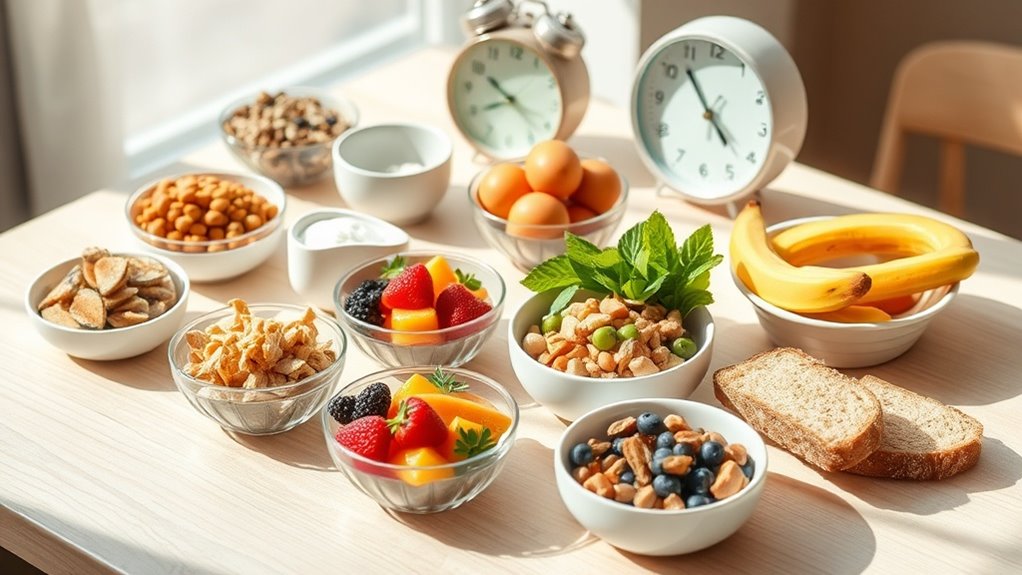
To cultivate a balanced daily meal framework, align your intake with a steady cadence, aiming for consistent intervals across the day. Prioritize a daily food rhythm that distributes protein, fiber, and healthy fats evenly, supporting GLP-1 signaling while reducing large fluctuations in energy. Establish consistent plate patterns that are repeatable and practical, reinforcing predictable meals and snacks without excess variation.
Balanced Meal Cadence
A balanced daily meal cadence starts with timing that aligns with physiological signals of hunger, satiety, and energy needs, supporting steadier glucose responses and reduced overeating. You’ll optimize intake windows to minimize large gaps and cluster meals around midday and early evening, supporting a smoother energy curve and better appetite control. Evidence suggests regular spacing improves portion symmetry and reduces impulsive snacking, while a balanced cadence helps sustain GLP-1 activity without overloading digestion.
- Align meal timing with natural hunger cues to support steady glucose and satiety
- Prioritize portion symmetry across meals to avoid oversized servings
- Use consistent daily intervals to reinforce metabolic predictability and adherence
Daily Food Rhythm
A consistent daily rhythm for eating builds on a balanced cadence by prescribing predictable windows that harmonize with signals of hunger, fullness, and energy needs. You optimize glp 1 signaling by aligning meals with physiology rather than chasing subjective appetite alone. Establish a steady meal cadence that avoids prolonged fasting and late-evening intake, supporting predictable postprandial responses and energy distribution across the day. Prioritize regular intervals (roughly every 4–5 hours) to sustain glucose stability and satiety cues, reducing extreme hunger and overeating. Include a protein-forward option at each eating window to reinforce fullness and metabolic signaling. Hydration and optional fiber-rich foods reinforce timing without disrupting digestion. Monitor subjective hunger, energy, and mood as anchors for adjusting cadence, ensuring your framework remains evidence-informed and personally tolerable.
Consistent Plate Patterns
Consistent plate patterns translate daily rhythms into tangible meals, anchoring energy delivery and GLP-1 signaling across the day. You’ll benefit from predictable portions and nutrient balance, supporting steady glucose response and appetite control. By aligning meals with a steady cadence, your body refines insulin and gut hormone timing, reducing postprandial spikes. Focus on proportional plates: fiber-rich carbs, lean protein, and healthy fats, with vegetables at each meal to promote satiety and microbiome support. This structure minimizes grazing and promotes consistent meals, which enhances overall energy stability and tolerance to dietary fat. Monitor portions, avoid oversized servings, and maintain regular meal timing even on busy days. Your daily framework should be pragmatic, evidence-informed, and adaptable to personal needs.
- Emphasize consistent meals and portion control
- Maintain a steady cadence across the day
- Prioritize fiber and protein at every meal
Timing, Routines, and Practical Habits for Steady Eating
How can you shape timing, routines, and habits to support steady eating throughout the day? You’ll use consistent meal windows to stabilize glucose responses and appetite signals. Target regular intervals, such as every 4–5 hours, rather than sporadic snacks. Build timing routines around sleep-wake cycles and activity levels to align energy needs with intake. Establish practical habits like pre-planning meals, portioning balanced plates, and using a simple hunger-fullness check before eating. Limit late forays into high-sugar or ultra-processed foods that disrupt rhythm. Track patterns briefly to detect drift and recalibrate. Prioritize a steady morning intake to avoid energy dips, then space meals evenly. These steps foster predictable digestion, reduce overeating risk, and support sustained energy without rigidity.
Comparing Steady Support With Quick-Fix Approaches

Why choose steady support over quick-fix approaches when shaping daily eating patterns? You’ll see that steady support builds durable habits, whereas quick fixes often yield transient changes. Steady strategies align with evidence showing moderation and regularity reduce glycemic swings and promote sustained appetite control. Quick fixes can create rebound effects, undermine consistency, and fail to address underlying drivers like routine gaps or stress. In hypothetical exploration, you’d compare long-term outcomes from gradual adjustments to crash methods, noting steadiness supports two word ideas such as consistency and balance. The aim is reliable change, not momentary perception shifts. For you, the takeaway is that incremental, measurable steps outperform urgent shortcuts over time.
- Higher adherence with predictable routines
- Lower risk of rebound hunger and fluctuations
- More interpretable progress and data-driven tweaks
Implementing Salo GLP-1 Booster in a Busy Schedule
Slicing through a packed day, implementing Salo GLP-1 Booster can still fit into your routine with minimal disruption and measurable impact. In practice, you allocate a consistent daily cue—such as at breakfast—to prompt dosing, so adherence stays predictable rather than burdensome. Evidence supports brief, regular dosing coupled with meal exposure to reinforce satiety without triggering compensatory overeating. You’ll track tolerance, noting any GI side effects and adjusting timing if meals shift. Efficiency gains arise when the booster replaces lingering snack patterns rather than adding extra steps; this aligns with two word discussion ideas, improving clarity and focus. Avoid conflating unrelated topics during planning; keep goals concrete. Use a simple log to monitor mood, appetite, and meal regularity, then refine with your clinician to sustain long-term benefits.
Common Questions
How Does Salo GLP-1 Booster Interact With Medications?
In most cases, you should monitor timing of doses with your meds, because GLP-1 boosters can influence interaction timing and drug absorption. If you take oral meds, food and GI transit may alter absorption rates, potentially changing efficacy. Avoid concurrent administration with other rapid-acting agents unless your clinician confirms safety. Always consult your healthcare provider before combining, and report any unusual effects. Stay cautious: adjust timing, and verify absorption profiles to preserve therapeutic outcomes.
Are There Any Side Effects to Monitor Long-Term?
Short answer: there aren’t widely documented long-term side effects specific to Salo GLP-1 Booster, but you should watch for GI upset, nausea, or changes in appetite, and report any persistent issues. For long term monitoring, track weight, blood sugar, and gastrointestinal symptoms, and discuss patterns with your clinician. If you’re taking other medications, monitor interactions. Seek prompt care if you notice severe symptoms, dehydration, or signs of allergy. Regular follow-up is essential.
Can I Adjust Dosage for Holidays or Travel?
Yes, you can adjust carefully for holidays or travel, but follow strict adjustment guidelines and consult your clinician first. The plan should include precise timing, dose-splitting if needed, and clear return-to-regular dosing after travel. Expect possible fluctuations in appetite and GI symptoms, and monitor glucose or weight trends. Travel considerations: carry documentation, maintain consistent mealtimes as much as possible, and track any changes. If uncertain, delay changes until you’re home and reassess with your clinician.
Is It Suitable for Teens or Pregnant Individuals?
No. You shouldn’t use it if you’re a teen or pregnant. For teenss safety isn’t established and teen safety data are limited, so you’d want strict medical supervision. For pregnancy, there are pregnancy considerations and potential risks that require evaluation by a clinician. If you’re exploring this, discuss with your healthcare provider to weigh benefits and risks, ensure appropriate monitoring, and consider alternative, proven approaches during adolescence and pregnancy.
How Soon Before Meals Should I Take It?
How soon before meals should you take it? Generally, you should plan to take it about 15 to 30 minutes before eating. This timing helps modulate appetite and align with meal onset, potentially supporting steadier glucose responses. Start at the lower end if you’re new to it, and adjust only as advised by a healthcare professional. Keep consistent with dosing times to maintain any observed benefits, and monitor how you feel after meals.
All Together
You’ll feel steadier, like a quiet harbor after a storm, because you’ve anchored meals to a predictable cue—breakfast—shaping hunger and energy signals with gentle consistency. The GLP-1–driven pattern you’re building helps curb lingering snacks, support balanced portions, and reduce gaps between meals. This steady cadence, when supported by your clinician and used as part of your daily routine, creates durable habits you can rely on. If you stay the course, you’ll move through each day with calmer appetite and sustainable momentum, one measured bite at a time.
Now is the time to lean in and take the next step. By embracing this daily rhythm and the gentle guidance behind Salo GLP-1 Booster, you’ll reinforce healthier eating cues, feel more in control, and maintain a more even energy level throughout your day. You’ve got the tools—trust the process, stay consistent, and watch your confidence grow as you reclaim your health. Take control of your health, energy, and confidence today.
