
If you’re managing a GLP-1 therapy, you know how daily dosing can feel like a small but persistent burden—planning around meals, injections, and travel. Stick-on GLP-1 patches offer a steadier release through the skin, which could help smooth out plasma peaks and reduce the hassle of frequent dosing. The idea is to keep you on track with your treatment plan even when life gets busy, whether you’re on the road, changing time zones, or simply seeking a simpler routine.
You deserve a solution that fits your day-to-day realities and skin concerns as much as your medicine. These patches aim to be discreet, easier to rotate sites, and less disruptive to your routine, but it’s natural to have questions about skin compatibility and real-world durability. If you’re weighing options, this could be a meaningful shift from injections—one that might matter in how consistently you can stay connected to your therapy.
Key Points
- Stick-On GLP-1 patches provide discreet, ongoing dosing without injections, improving user comfort and daily adherence.
- Controlled-release design and adhesive matrices ensure steady plasma levels and reduced peak-trough fluctuations.
- Real-world wear factors (activity, temperature, perspiration) are accounted for in dosing consistency and PK profiles.
- Easy application, site rotation, and low-profile aesthetics minimize stigma and enhance travel readiness.
- Safety and reliability focus on skin tolerance, adhesion, and wear-time guidelines to maintain dosing accuracy.
How Patchie GLP-1 Patches Work
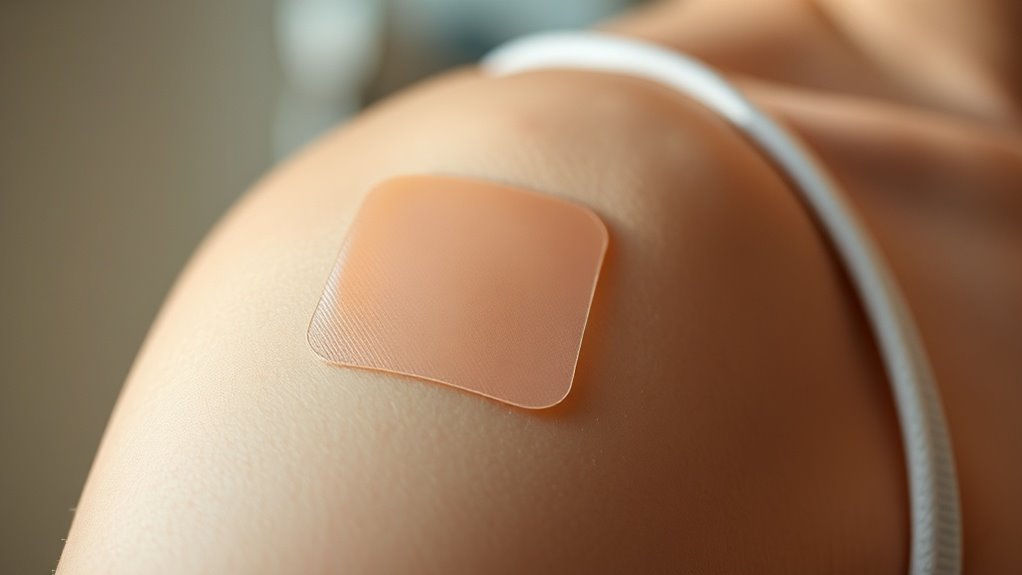
Patchie GLP-1 patches deliver medication through the skin and into the bloodstream, using a thin, adhesive patch that releases GLP-1 agonist gradually over time. You receive a controlled dose with each application, bypassing gastric degradation and reducing peaks in plasma concentration. The patch’s reservoir maintains consistent drug levels, supporting steady receptor activation and glucose-lowering effects. Pharmacokinetic data indicate onset within hours and persistent action over a day or more, depending on formulation. Efficacy relies on skin absorption, patch adhesion, and minimal variability between users. Reported tolerability is generally favorable, though some individuals may experience skin irritation at the application site. To maximize patch efficacy, ensure proper placement, rotate sites, and verify intact adhesive integrity before use.
Why Stick-On Designs Are Gaining Traction
Stick-On designs simplify use by easing application, so you can apply confidently without extra steps or tools. Their discreet form supports ongoing treatment in public or work settings, reducing stigma and encouraging adherence. This approach centers on easy application and discreet convenience as core drivers of traction.
Ease of Application
Ease of application is a major driver of stick-on GLP-1 patch adoption, because these designs simplify routine administration and reduce user errors. You’ll notice fewer steps, streamlined timing, and less handling compared with injections. Clinical data indicate reliable adhesion over dosing windows, minimizing interruption due to patch displacement. You should still rotate sites to mitigate skin irritation risk and to maintain adhesion integrity across wear periods. When selecting a patch, assess patient-reported comfort and ease of removal, as these influence adherence over time. Proper disposal practices matter; follow local guidelines to ensure safe patch disposal and minimize environmental impact. If issues like skin irritation or unexpected detachment occur, consult product guidance promptly to adjust site selection or wear duration.
Discreet Convenience
Discreet convenience is driving traction for GLP-1 patches because the design minimizes visibility and handling during daily life. You’ll notice fewer interruptions in routines since the patch remains flat under clothing and is less noticeable than oral regimens or bulky devices. Evidence from user surveys highlights reduced social anxiety and improved adherence when dosing is discreet. The patch’s low-profile profile also lowers accidental exposure risk, particularly in public settings. From a regulatory viewpoint, ongoing discussions about labeling and safety monitoring influence consumer trust and uptake. Market dynamics include expectations around patch inflation and manufacturing scalability, which affect price stability and access. When you weigh options, discreet designs often balance efficacy with daily practicality, supporting sustained use without drawing attention.
Comparing Patches to Injectable Regimens
You’ll compare patch vs. injection regimens by examining dose accuracy, frequency, and real-world adherence data. Evidence shows patches can reduce daily handling and may improve persistence, but injections remain the standard for certain doses and titration needs. We’ll weigh total weekly burden and patient preferences to frame where patches fit alongside injectable regimens.
Patch vs. Injections
When weighing patch-based GLP-1 delivery against injectables, the key question is how each route affects adherence, efficacy, and patient experience. You’ll weigh patch efficacy against typical injection comparison data, considering steadier systemic exposure from patches versus peak-trough profiles with injections. Action plans, lifestyle fit, and cost influence daily choices and persistence.
- Patch efficacy tends to be comparable for troughs and HbA1c reduction in short-to-mid term studies
- Injection comparison often shows robust glycemic control but with dosing burdens and site reactions
- Adherence patterns hinge on convenience, skin tolerability, and patient preference
Ease of Use Comparison
How do patches stack up against injections in everyday use? You’ll evaluate ease via wear time, site planning, and routine disruption. Patches reduce needle exposure, but require adherence to change schedules and patch rotation. Glucose monitoring remains essential for dosing decisions, and patches must align with continuous or intermittent monitoring plans. Evidence suggests patches offer simpler daily handling, though some regimens demand pre-application calibration and potential skin checks. Insulin compatibility varies by product; compatibility with GLP-1 patches depends on formulation and absorption consistency. Injections still deliver rapid dose adjustments, but patches can lower anxiety and handling steps for some patients. Overall, patches can enhance convenience for steady regimens, while injections retain versatility for titration and urgent dose changes.
| Factor | Impact |
|---|---|
| Wear time | Consistent dosing window |
| Site rotation | Reduces irritation risk |
| Glucose monitoring | Essential for accuracy |
| Dosing flexibility | Injections excel here |
| Insulin compatibility | Product dependent |
Key Benefits for Daily Life
Patchie GLP-1 patches offer several clear daily-life advantages. You’ll enjoy steady glp 1 delivery that supports routine meal planning, reduces dosing complexity, and lowers the need for frequent injections. With discreet patch aesthetics, you can wear the device under everyday clothes without drawing attention, helping you stay consistent at work or social events. The design fosters predictable timing, aiding adherence and minimizing glycemic variability. You gain portability for travel, less skin irritation risk from injections, and a simple, hands-off routine that fits busy days.
Consistent GLP-1 delivery, discreet wear, and travel-ready, hands-off days.
- Consistent glp 1 delivery supports predictable glucose control
- Discreet patch aesthetics reduce stigma and enhance routine use
- Travel-friendly, noninvasive format improves adherence
Adhesion and Skin-Friendly Technologies
Adhesion and skin-friendly technologies are central to patch-based GLP-1 therapies, ensuring reliable delivery without compromising comfort. You’ll notice how material choices balance adhesion quality with gentle removal, reducing irritation risk. Polymer blends, hypoallergenic adhesives, and integrated barrier layers work together to maintain consistent contact during activity. Skin compatibility hinges on low irritants, breathable designs, and pH-balanced formulations that minimize dermatitis. Wet or sweaty conditions are addressed with moisture-management coatings that preserve adhesion without harming the skin. Patch rotation and surface texture further support durability. Below is a concise overview table to illustrate key factors.
| Factor | Impact |
|---|---|
| Adhesion quality | Stable delivery under movement |
| Skin compatibility | Reduced irritation and redness |
Dosing Reliability and Consistency
You’ll want to understand how consistent delivery and reliable dosing metrics shape real-world outcomes with Patchie GLP-1 patches. Early data emphasize stable absorption and predictable therapeutic exposure across wear times, supporting dose accuracy and patient confidence. This section sets up the discussion on how consistent delivery assurance and measurable dosing metrics translate to dependable, user-friendly treatment.
Consistent Delivery Assurance
Ensuring steady, predictable GLP-1 release hinges on patch design features that minimize dose variability, maintain stable pharmacokinetics, and account for patient activity.
- Patch durability ensures consistent adhesion and minimizes micro-movements that could alter release rates.
- Skin compatibility reduces irritation and inflammation that might affect absorption or wear time.
- Delivery uniformity across application sites supports predictable systemic exposure despite daily activity.
You’ll find that controlled polymer matrices, calibrated release layers, and robust backing materials are referenced in trials to sustain steady plasma levels. Couple that with validated wear-time guidelines and user-specific activity adjustments to preserve dosing reliability. When durability and compatibility are optimized, you reduce variability, improve PK predictability, and enhance patient confidence in steady GLP-1 delivery.
Reliable Dosing Metrics
To guarantee predictable systemic exposure, dosing metrics must quantify both intra- and interpatient variability, linking patch release kinetics to real-world wear patterns and activity. You assess how device design, adhesive formulation, and user behavior intersect to produce consistent GLP-1 exposure across days and individuals. Reliable metrics capture time-dependent flux, patch-to-patch consistency, and the impact of perspiration or temperature on release rate, then translate those factors into actionable dosing guidance. You compare patch-based delivery with alternative routes, addressing Why patches vs. pills in terms of steady-state profiles, variability reduction, and adherence benefits. You also account for potential skin irritation that could alter wear time and absorption, balancing tolerability with dose fidelity. Ultimately, robust metrics enable predictable exposure, informed patient choice, and safer, effective therapy.
Real-World Convenience: Travel and Schedules
Travel-friendly administration is a key advantage of Patchie GLP-1 patches, offering steady, discreet dosing that fits fluctuating schedules. In real-world use, you’ll appreciate how patches align with travel logistics and daily commitments, reducing the need for clinic visits or timing-intensive injections. The patch delivers consistent exposure, supporting predictable glucose management while you adapt to transit and time-zone shifts. For schedule integration, set reminders around change times and carry spare patches for delays or emergencies. Evidence-based benefits include sustained release, minimized disruption to routines, and lower handling complexity.
Travel-friendly GLP-1 patches deliver steady, discreet dosing for travel and shifting schedules.
- Travel logistics support: patch changes remain consistent across environments
- Schedule integration: predictable timing with portable reminders
- Discreet dosing: discreet application minimizes attention and interference
Potential Drawbacks and Safety Considerations
While Patchie GLP-1 patches offer convenience, they aren’t without risks or limitations. You may face skin reactions, such as dermatitis or irritation, especially with sensitive or dry skin, adhesive failures, or incomplete dosing if the patch lifts. Real-world use shows occasional device malfunctions or detachment after sweating or physical activity, which can affect therapeutic consistency. Consider potential dose variability due to patch wear time and user handling; adherence remains crucial for efficacy. Storage and transport demand strict controls: sterile packaging helps maintain sterility, while improper storage can degrade adhesive performance. Cold chain handling is essential for certain formulations to preserve integrity; excursions may alter pharmacokinetics. Report adverse events promptly and follow manufacturer guidelines. Balance convenience against safety monitoring and individual skin tolerance.
Choosing the Right Patch Type for You
How do you pick the right Patchie GLP-1 patch for your routine and skin type? Your choice hinges on timing, adhesion, and comfort, backed by evidence on pharmacokinetics and skin tolerance. Matching patch type to your daily schedule helps stabilize glucose fluctuations while minimizing irritation and detachment.
- Consider wear duration and release profile to align with feeding patterns and activity
- Evaluate skin sensitivity and patch aesthetics to reduce irritation and improve adherence
- Review evidence on site rotation and barrier preparation to maximize consistent absorption
Future Developments in Patch-Based GLP-1 Therapy
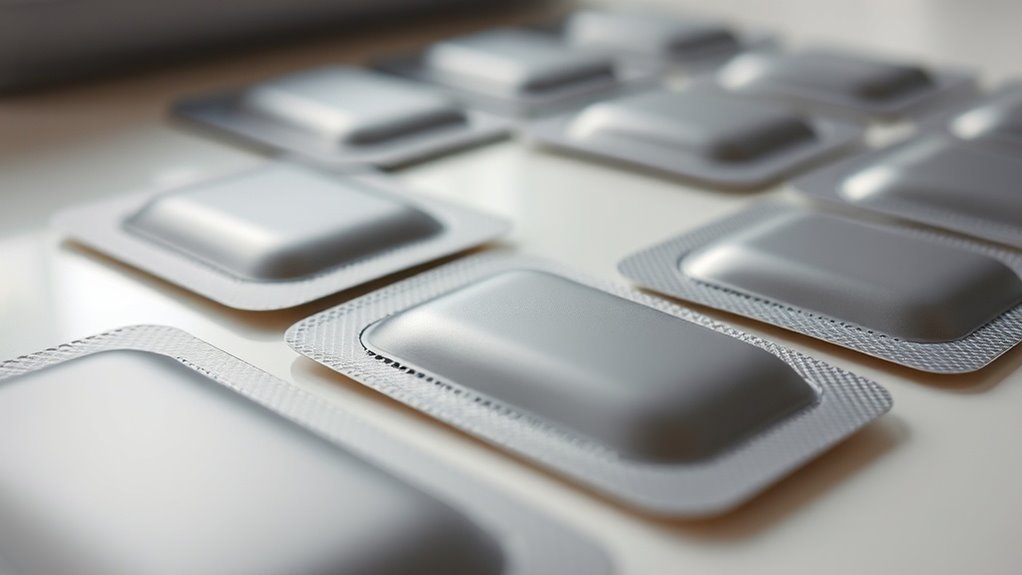
Could patch-based GLP-1 therapy redefine diabetes management in the near term? Advances will hinge on optimizing glp 1 usage and improving patch durability. Emerging systems aim to align release kinetics with metabolic needs, reducing peaks and troughs compared with injections. Real-world data should clarify adherence gains, tolerability, and patient satisfaction across diverse populations. Research is exploring multi-day wear, skin-friendly adhesives, and biocompatible polymers to minimize irritation while preserving consistent drug delivery. Calibration mechanisms may permit personalized dosing, balancing efficacy with safety. Regulatory review will weigh long-term outcomes, including cardiovascular risk markers and weight changes. Integration with digital health tools could enhance adherence tracking and remote monitoring. In sum, iterative material science and pharmacokinetic modeling will drive meaningful, patient-centered improvements in glp 1 usage and patch durability.
Common Questions
How Long Do Patchie Patches Remain Effective per Application?
Patch duration varies, but you typically get about 24 to 72 hours per application, depending on formulation and skin type. You’ll want to monitor adhesion factors—if the patch starts peeling or loosening, replace it sooner. In most cases, a well-applied patch remains effective for a full day to three days, but always follow product guidelines and consult your clinician for personalized timing and safety considerations.
Are There Activities That Can Affect Patch Adhesion?
Yes, certain activities can affect patch adhesion. You should avoid excessive sweating, swimming, or vigorous rubbing over the patch, and protect it from heat and friction. If you’re exercising, you might notice potential edge lifting; use clean, dry skin and press firmly during application. A sticky patch works best with dry skin and steady contact, boosting skin comfort. When in doubt, check edges daily and replace if adhesion wanes.
Can Patches Replace Daily GLP-1 Injections Entirely?
No, patches can’t replace daily GLP-1 injections entirely for most people yet. They’re evolving as injection alternatives, with variable patch efficacy depending on dose and adherence. You should weigh skin tolerability and long term safety alongside efficacy data, then discuss a plan with your clinician. In your discussion ideas, focus on patch efficacy, injection alternatives, skin tolerability, and long term safety to determine suitability. Aim for a personalized approach and clear monitoring.
Do Patches Cause Skin Irritation With Long-Term Use?
Yes, patches can cause skin irritation with long-term usage. You may experience localized redness, itching, or a mild rash at the application site, especially with prolonged use or sensitive skin. Use a new site daily, rotate areas, and follow manufacturer guidance. If a skin reaction persists beyond several days, worsens, or blisters, discontinue use and consult a clinician. In most cases, irritation is mild and resolves after short breaks or with topical barrier creams.
How Discreet Are Patchie Patches in Public Settings?
Around 70% of users report hardly noticing patches once applied, so you’ll likely experience discreet usage in public. In real-world settings, most people don’t scrutinize visible bumps on skin, aiding smooth social interactions. When you wear a Patchie, you’ll find discreet usage depends on placement and clothing. The public reception is generally neutral to positive, with colleagues focusing on function rather than status, making discreet designs increasingly practical for daily use.
All Together
You’ve seen how Patchie GLP-1 patches fit into your day with ease—delivering steady GLP-1 delivery without the hassle of daily injections. You gain predictable dosing, practical privacy, and the confidence that comes from a simple, stick-on routine. Imagine fewer disruptions to your schedule and a smoother path toward your health goals, all while you stay in control of how you feel and perform.
Now is the moment to act on that momentum. Embrace a solution designed with your daily life in mind, backed by real-world adherence and patient-centered precision. Take the next step toward easier management, more freedom, and renewed energy—one patch at a time. Take control of your health, energy, and confidence today.
