
DirectMeds GLP1 might feel like a practical ally if you’ve been juggling midday hunger cues. If you notice cravings hitting you between meals or find yourself reaching for snacks even when you’ve had a lunch you planned, this option could offer steadier signals by slowing how quickly your stomach empties and helping you feel fuller longer. It’s about aligning your body’s cues with a schedule you can actually keep, so your midday energy just feels more reliable.
That said, every body is different, and results aren’t one-size-fits-all. As you consider using it, you’ll want to pay attention to how your appetite and energy shift over time and how it fits with your usual routine—like balanced lunches and consistent daily habits. It’s worth taking a thoughtful, practical look at whether this could support your goals before you commit.
Key Points
- GLP-1 therapies slow gastric emptying, helping stabilize midday hunger signals and reduce impulsive snacking around lunch.
- Consistent dosing aligned with a typical lunch window creates predictable appetite cues for midday meal planning.
- Real-world use shows steadier meal timing, better portion control, and easier macro tracking around midday.
- Guidance emphasizes pairing GLP-1 with protein, fiber, and hydration to support stable hunger and energy midday.
- Clinician-supported dosing, monitoring side effects, and follow-ups help tailor midday eating patterns safely.
Understanding How DirectMeds GLP1 Works in Everyday Eating Patterns

DirectMeds GLP1 helps regulate appetite and meal timing by slowing stomach emptying and influencing gut hormones that signal fullness. You’ll notice portions feel more satisfying with fewer snacks between meals, as gastric delay reduces rapid hunger signals. In everyday eating, this means you may plan predictable lunches and lighter breakfasts without constant grazing. Evidence supports delayed gastric emptying as a mechanism behind steadier energy levels and reduced post-meal spikes. However, you’ll also encounter unrelated topic and off topic ideas that drift from the science, so stay grounded in the core physiology. Practice consistency: pair GLP1 use with balanced meals, fiber, and hydration. If appetite cues still vary, review dosing timing, commute meals, and sleep patterns with your clinician.
Real-World Benefits: Stability in Midday Hunger Cues
Real-world benefits show how midday hunger becomes more predictable for many users. You’ll notice fewer abrupt shifts in energy and appetite, as midday cravings align more closely with planned meal timing. This stability arises from how DirectMeds GLP1 can modulate satiety signals, dampening exaggerated hunger cues that previously led to impulsive snacking. In practice, you may experience steadier intake patterns, smoother transitions between meals, and a reduced need for urgent, unplanned choices. For those tracking macros or aligning workouts, consistent midday cravings simplify planning and adherence. Data from routine use suggest more reliable timing of meals, less pre-meal anxiety, and improved overall schedule coherence. While individual responses vary, the trend supports improved predictability in daily eating routines.
Patient Stories: From Fluctuating Cravings to Consistent Signals
You’ll hear how real patients move from Fluctuations to Consistency as cravings settle into reliable signals. This shift reflects how GLP-1 therapy can help stabilize midday hunger cues and support measurable changes in eating patterns. By sharing these stories, we can discuss the practical steps that turn fluctuating cravings into actionable signals.
Fluctuations to Consistency
Have you ever noticed how fluctuations in cravings can feel random, only to settle into predictable signals with the right guidance? In this stage, you learn to map fluctuation patterns to steady cues, supporting midday metabolism and appetite signaling. With GLP-1 guidance, you can dampen impulsive bites and align meals with true hunger, not mood or stress. The goal is reliable timing, not fanfare—evidence shows consistent signals improve daily intake and glycemic control. You’ll track cues, adjust meal size, and observe reduced variance between hungry and full states. Over time, you convert volatility into rhythm, with fewer abrupt cravings and smoother energy.
- Track hunger intensity across weekdays and weekends
- Note meal timing relative to activity and sleep
- Compare cravings before and after small‑plate meals
- Record mood influence on appetite signaling
- Monitor midday metabolism responses via simple logs
Cravings to Signals
Cravings aren’t just annoyances; they’re signals you can learn to read. In patient stories, you transform fluctuating urges into reliable midday cues by tracking patterns, triggers, and responses. When you notice specific cravings aligning with energy dips, consider this as a prompt to eat balanced, instead of reacting impulsively. Over time, you’ll map cravings to actual needs—protein, fiber, or hydration—creating stable mid‑day signals you can act on with confidence.
| Time of day | Trigger | Response |
|---|---|---|
| Late morning | Sugar craving | Have a protein snack |
| Early afternoon | Afternoon slump | Sip water, move briefly |
| Midday | Well‑being dip | Balanced meal plan |
Cravings signals become predictable islands of guidance, shaping reliable midday cues you can trust.
What Clinicians Notice About Daytime Eating Routine Changes

As a clinician, you’ll note how daytime eating shifts often track with changes in energy and alertness, and may reflect adjustments in routine or medication timing. Observations show that more predictable midday cues coincide with steadier blood glucose and fewer impulsive snacking episodes. This discussion centers on how routine changes, and what clinicians observe about them, can guide personalized adjustments in care.
Daytime Eating Shifts
Daytime eating shifts refer to observable changes in when and how patients consume meals and snacks during the day, and clinicians often note these patterns as indicators of metabolic or behavioral adjustments. You’ll see alterations in daytime cravings and meal timing that accompany GLP-1 therapy, influencing hunger signals and snack frequency. These shifts may reflect improved glycemic control, reduced postprandial spikes, or anticipation of lower caloric intake. Clinicians track how routine changes align with therapeutic goals, including steadier energy and fewer midday spikes. Understanding these patterns helps tailor guidance, dose timing, and supportive strategies for sustainable eating behavior.
- Changes in daytime cravings relative to prior baselines
- Variations in meal timing across weekdays versus weekends
- Shifts in snack frequency around peak activity periods
- Correlation between activity level and eating episodes
- Consistency of daytime intake with prescribed treatment targets
Clinician Observations
Clinicians observe that daytime eating patterns shift in noticeable, measurable ways after initiating GLP-1–based therapy. You may see earlier lunch cues emerge, with more consistent timing across days and reduced post-meal glycemic excursions. In practice, you’ll note steadier appetite signals between midmorning and early afternoon, along with fewer unplanned snacking episodes. Observations often include improved alignment between hunger and meal timing, and diminished intensity of cravings during late morning. You’ll want to document objective metrics, such as meal-to-blood glucose correlations and postprandial rise trends, to distinguish pharmacologic effects from lifestyle changes. Be mindful of unrelated topic influences, like stress or sleep, that can confound patterns. An offbeat question can arise: do patient perceptions of routine stability parallel measured data consistently?
Comparing DirectMeds GLP1 to Other Appetite Modulators
How does DirectMeds GLP1 stack up against other appetite modulators in practical terms? You’ll find it offers a predictable dosing schedule and generally favorable side effects, with fewer gastrointestinal disruptions than some rivals. Compared to non-GLP-1 options, you may experience stronger appetite suppression without markedly higher intolerance. Evidence suggests comparable or improved weight-related outcomes when paired with lifestyle strategies, though individual responses vary. DirectMeds GLP1 tends to have a longer-lasting effect between doses, potentially lowering daily medication burden for some users. Given the variability in formulation and patient needs, you should align expectations with your clinician and monitor tolerability closely.
- Clear dosing schedule and consistency
- Comparative side effects profile
- Onset and duration of appetite suppression
- Real-world adherence considerations
- Context within multimodal weight management
How to Integrate Directmeds GLP1 With a Busy Schedule
For busy schedules, pairing DirectMeds GLP1 with a simple, repeatable routine makes adherence practical and predictable. You can establish a consistent daily window for administration, aligning with your midday meals to reduce decision fatigue. Use a calendar reminder and a dedicated medication nook to minimize miscellaneous chatter and unrelated topic distractions that interrupt routine. Pairing GLP1 with a predictable context helps your brain form a habit, supporting steadier appetite cues without requiring constant monitoring. Keep supplies organized, labeling vials and recording dates to prevent errors. If a midweek disruption occurs, return to the routine promptly rather than overhauling the schedule. Finally, document any notable effects and discuss concerns with a clinician to refine your approach within your real-life constraints.
Practical Dosing and Timing for Midday Meal Planning
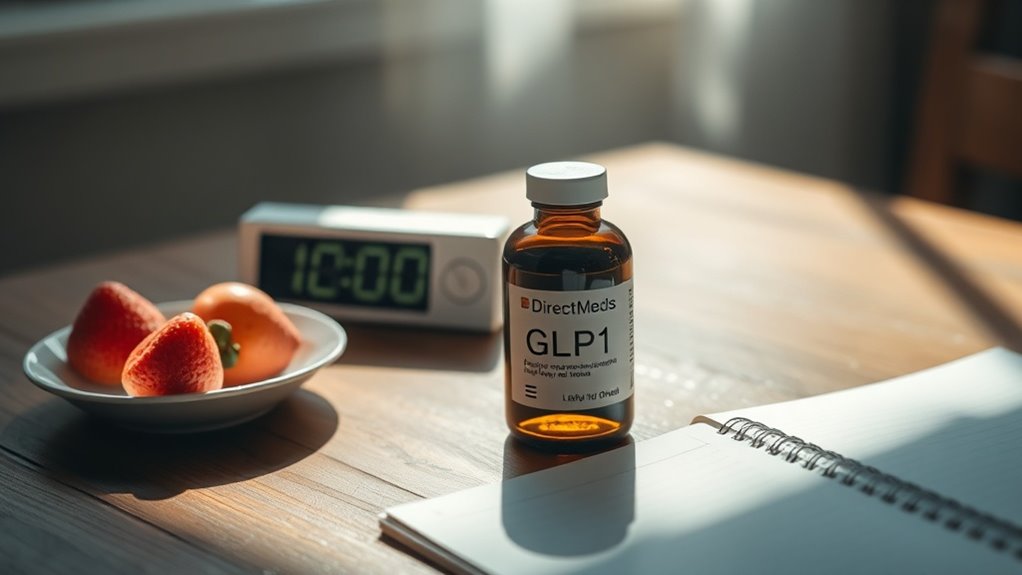
Practical dosing and timing for midday meal planning centers on aligning GLP-1 administration with your typical lunch window to support consistent appetite cues. You’ll discuss dosing and tailor timing strategies to your workday, ensuring predictable midday hunger patterns. This approach integrates GLP-1 with meal planning, emphasizing dose adjustments around your largest midday meal to optimize appetite control without overreliance on snacks.
- discuss dosing options and when to administer relative to your lunch
- outline timing strategies that align with your work schedule
- synchronize GLP-1 with meal planning to reduce midday hunger
- track responses to dose changes and meal size
- refine routine based on appetite cues and practicality
Safety Considerations and Common Side Effects
Safety considerations and common side effects with GLP-1 therapies center on weighing benefits against potential risks, especially for midday use. You’ll monitor for nausea, vomiting, and possible abdominal discomfort, which often lessen over time. Headache or dizziness can occur, usually transient, and you should report persistent symptoms. GI side effects relate to dosing timing and the pace of escalation, so follow prescribed schedules closely. In rare cases, changes in vision, pancreatitis, or gallbladder issues may arise; seek prompt medical advice if severe or persistent. Hydration and small, frequent meals can ease adjustments. Table below highlights key considerations.
| Symptom | Likelihood & Timing | Action |
|---|---|---|
| Nausea | Early, often mild | Titrate dose, take with meals |
| Headache | Variable | Hydrate, reassess timing |
| GI discomfort | Transient | Adjust dosing timing |
| Serious concerns | Rare | Contact clinician promptly |
When to Talk to Your Healthcare Team About Adjustments
If you notice recurring issues with midday eating cues or your blood glucose target isn’t staying within range, it’s time to contact your healthcare team. Seek guidance if symptoms worsen, if you experience unexpected weight change, or if you’re not achieving your personalized goals after a reasonable adjustment period. Prompt communication helps ensure safe, effective adjustments based on your individual response.
When to Seek Guidance
When should you seek guidance from your healthcare team about GLP-1 adjustments? You should initiate contact if you notice persistent changes in your appetite, inconsistent glucose readings, or new side effects that affect daily functioning. Seek clinician guidance if you experience unexpected weight loss or gain, or if midday cravings intensify despite adherence to dosing and meals. Informed decisions about dose timing or adjustments should be made with medical supervision to minimize hypoglycemia risk and optimize benefits. Your provider will interpret trends, review current meds, and consider comorbidities before altering therapy. Documentation of meals, activity, and symptoms assists the discussion and supports safer modification.
- Monitor patterns that affect midday cravings and overall intake
- Report persistent appetite shifts or energy changes
- Share recent glucose trends and weight changes
- Discuss potential drug interactions or contraindications
- Schedule timely follow-up to refine therapy
Signs to Contact Team
Noticing changes in how you respond to GLP-1 therapy can signal it’s time to touch base with your healthcare team. You should contact them if you experience persistent side effects, such as nausea, vomiting, or severe abdominal pain beyond what’s expected in early treatment. Worsening glucose readings, repeated hypoglycemia, or unusually high fasting values also warrant evaluation. Any new or worsening weight loss, dehydration, or signs of pancreatitis (upper abdominal pain radiating to the back, with vomiting) require prompt assessment. If you’re unable to adhere to dosing due to tolerability, or you notice unexpected interactions with other meds, discuss adjustments. Also flag any mental health changes or concerning random discussion topics that could impact adherence or safety, even if unrelated topic to GLP-1 therapy.
Diet and Activity Tips That Complement GLP1 Therapy
Diet and activity choices can boost GLP-1 therapy by supporting steady appetite control and smoother midday energy. You’ll benefit from pairing GLP-1 with meals that balance protein, fiber, and healthy fats, which helps satiety signals align with dosing. Aim for consistent meal timing to reduce cravings and prevent energy dips. Hydration supports digestion and can blunt perceived hunger between meals. Regular physical activity enhances insulin sensitivity and promotes favorable mood, supporting midday alertness. Sleep quality also influences appetite hormones and GLP-1 effectiveness. Track how different foods affect your energy curve and adjust portions before midafternoon. Subtopic 1, Subtopic 2.
Diet and activity choices boost GLP-1 by steadying appetite and midday energy.
- Prioritize lean protein at each meal
- Include high-fiber vegetables and whole grains
- Choose healthy fats like olive oil and nuts
- Hydrate regularly throughout the day
- Schedule consistent exercise and rest periods
Monitoring Effectiveness: What Realistic Expectations Look Like
Monitoring effectiveness with GLP-1 therapy isn’t about chasing perfect days but about recognizing practical, measurable changes over time. You should track midday stability by noting consistent eating cues and fewer abrupt hunger waves between meals. Expect gradual improvements rather than dramatic shifts in the first weeks, and document any episodes of craving signals that recur or decline after dosing adjustments. Use simple metrics: meal timing, portion control, and self‑reported hunger scores, paired with objective data when available (glucose trends, if advised by your clinician). Realistic expectations acknowledge that tolerance, dosage, and concurrent habits influence results. If craving signals persist despite steady midday stability, consult your care team to refine timing, dose, or complementary strategies rather than assuming GLP-1 therapy alone will resolve all fluctuations.
Navigating Real-World Barriers and Adherence Challenges
Real-world barriers can temper the benefits you see in practical terms, so it helps to anticipate challenges and plan around them rather than hoping for perfect adherence. You’ll face daily timing slips, access gaps, and occasional side effects that can disrupt routine use. Stay prepared by syncing GLP1 reminders with meals and tracking triggers that cue adherence. Aligning with brand values supports consistent messaging and patient trust, while staying informed about regulatory updates ensures you meet safety requirements and labeling changes. Use practical strategies—simplified dosing, dose-packing, and clinician check-ins—to maintain momentum when life gets busy.
- Brand alignment and patient education
- Regulatory updates and dosage changes
- Access continuity strategies
- Adherence monitoring tools
- Contingency planning for side effects
Future Outlook: What to Expect as More Cases Are Studied
As more GLP-1 cases are studied, what trends emerge about long-term effectiveness, safety, and real-world use with DirectMeds GLP1? Early data suggest sustained improvements in midday eating cues for many users, with incremental benefits as adherence supports daily routines. Safety signals remain generally favorable, though monitoring for gastrointestinal side effects and rare hypoglycemia is advised. Real-world use appears influenced by patient selection, dosing flexibility, and integration with lifestyle coaching. Evidence increasingly highlights modest weight changes and glycemic stability when combined with structured meal timing. You should expect ongoing post-market surveillance, with updates to dosing guidance as datasets expand. Directmeds glp1 shows promise for everyday eating consistency, yet individualized plans and clinician oversight remain essential for durable outcomes.
Common Questions
How Soon Can I Expect Midday Hunger Stability With Directmeds GLP1?
You’ll typically notice changes in daytime hunger within a few weeks of starting DirectMeds GLP1, though exact timing varies by person. Expect gradual improvements as your appetite signals become steadier, aiding meal timing consistency. Some individuals report clearer midday satiety after 2–4 weeks, with more stable energy. Remember to follow prescribed dosing and monitor side effects. If hunger remains erratic beyond 6–8 weeks, contact your clinician to adjust plan or check for other factors affecting appetite.
Does GLP1 Impact Meal Timing for Typical Work Schedules?
Short answer: yes, GLP-1 can influence hunger timing in relation to work schedules. You may notice steadier hunger cues, which helps you plan meals around shifts. Evidence suggests reduced post-meal hunger spikes and delayed gastric emptying can align with typical daytime routines. However, individual responses vary, so monitor hunger timing and adjust meal timing to fit your specific work schedule. Consult your clinician if you need dosing or timing tweaks for consistent midday eating cues.
Are There Foods I Should Avoid While Using Directmeds GLP1?
Yes, there are foods you should avoid or limit. You’ll want to steer clear of very high-fat meals, simple sugars, and large portions that can spike hunger or delay stomach emptying. Also watch alcohol, as it can affect GLP-1 effects. Focus on balanced, fiber-rich foods and adequate protein. Two word discussion ideas: dietary cautions, hunger management. This approach supports consistent appetite control and reduces GI discomfort while using DirectMeds GLP1.
Can Directmeds GLP1 Affect Energy Levels During the Afternoon?
Directmeds GLP1 can affect energy levels in the afternoon by easing appetite and stabilizing blood sugar, which may reduce afternoon hunger cues. You might feel steadier energy, fewer midafternoon crashes, and more consistent performance after meals. Some people notice mild fatigue initially as the body adjusts, but most report improved focus. If energy dips persist, discuss timing, dose, or snack choices with your clinician; avoid high-sugar snacks to maximize benefits, and monitor directmeds glp1 energy.
What to Do if Daytime Hunger Cues Return After Initial Improvement?
If daytime hunger cues return after initial improvement, reassess routine and triggers. First, verify adherence to prescribed GLP-1 therapy, meal timing, and balanced protein at meals. Track hunger fluctuations and midday cues to identify patterns. Consider adjusting portions, fiber intake, or snack timing to stabilize appetite. Stay hydrated and minimize high-sugar choices. If symptoms persist, consult your clinician to rule out other causes and discuss possible therapy tweaks.
All Together
DirectMeds GLP1 can help you notice steadier midday hunger signals and smoother meal planning when paired with balanced meals, hydration, and routines. You’ll likely experience clearer cues, easier macro tracking, and less impulsive snacking, all while under clinician guidance and safety checks. Think of it as a compass, pointing toward more predictable eating. Yet remember, individual responses vary, and ongoing monitoring is key to sustaining real-world benefits and managing barriers as you move forward.
Ready to take the next step? You have the power to align your midday energy with your goals and feel more confident in your daily choices. With DirectMeds GLP1, you can stay on track, support steady energy, and build sustainable habits that fit your life. Take control of your health, energy, and confidence today.
