
You might not realize zinc types differ as much as their dose, absorption, and added nutrients. If you’re aiming for immune support, skin health, or antioxidant benefits, you’ll want a form like zinc picolinate or chelated zinc and options that fit your diet. I’ll outline eight solid picks and what makes them stand out, so you can weigh potency, quality, and convenience before you choose.
Key Points
- Compare high-potency zinc options (30–100 mg) like zinc picolinate and chelated zinc for superior absorption and targeted immune support.
- Check formulations that pair zinc with vitamin C, probiotics, or plant enzymes to boost absorption and overall immune/gut health.
- Review allergen and dietary notes (gluten-free, vegan/vegetarian, non-GMO, allergen-free) to fit dietary restrictions.
- Look at serving size and packaging (capsules vs. gummies, daily vs. multi-month supply) for your preferred dosing routine.
- Consider brand credibility and third-party testing to ensure safety, transparency, and consistent zinc quality.
Nature’s Bounty Zinc 50mg Immune Support Supplement
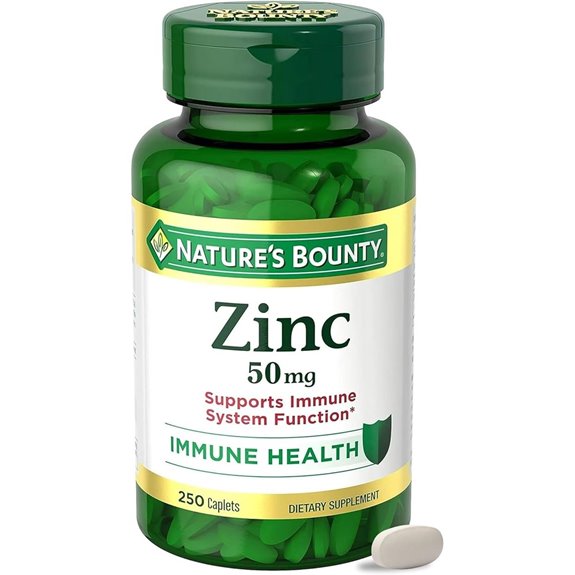
If you’re looking for a straightforward zinc option with immune support, Nature’s Bounty Zinc 50mg Immune Support is a strong pick for adults who want a high-potency, one-per-day caplet. Each caplet delivers 50mg zinc to support immune function, antioxidant activity, and collagen-related skin health. The formula is gluten-free and suitable for vegetarians, with 250 vegetarian caplets per bottle. You’ll take one caplet daily, preferably with a meal, for whole-body benefits like DNA formation and antioxidant defense. Nature’s Bounty backs quality and consistency with 50 years of research, making this brand a trusted choice for zinc supplementation.
Nature’s Bounty Zinc 50mg – Immune & Antioxidant Support
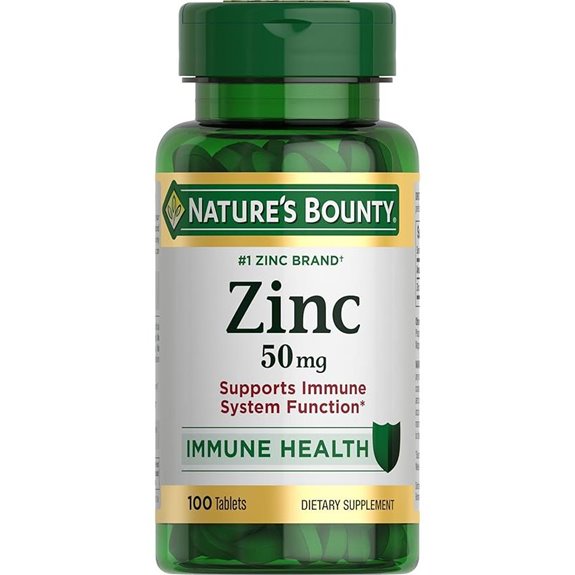
Nature’s Bounty Zinc 50mg is a strong choice if you want a high-potency, reliable zinc supplement that supports immune health, skin quality, and antioxidant protection with a single caplet per day. You’ll get 50 mg of zinc in one caplet, backed by non-GMO, gluten-free, and sugar-free notes, with 100 caplets for daily use. It contributes to DNA formation and supports immune health, antioxidant activity, and skin health, thanks to zinc’s role in collagenase activity. This product comes from the #1 zinc brand, rooted in five decades of research and trusted wellness expertise. For adults, take one caplet daily, preferably with a meal.
Chelated Zinc Supplement 100mg – 250 Tablets
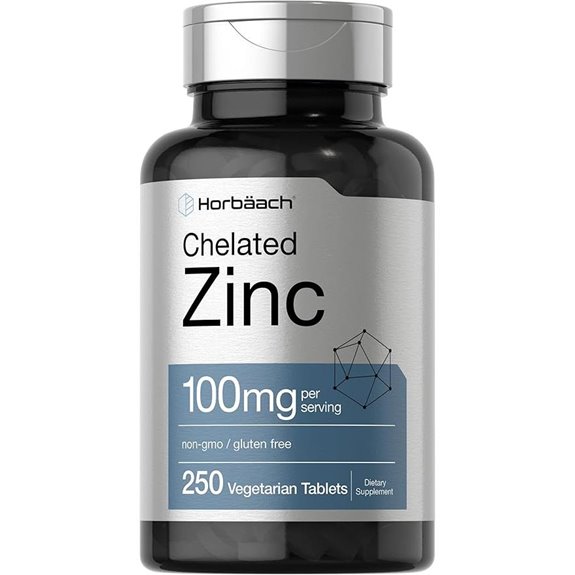
For those seeking a high-potency zinc option with strong absorption, Horbaach Chelated Zinc 100 mg – 250 Tablets is a top pick. This supplement delivers 100 mg of zinc in a chelated form for superior absorption, helping support overall wellness. It comes in a vegetarian, non-GMO, gluten-free formula, making it suitable for varied diets. Each bottle contains 250 tablets, offering a substantial supply. Horbaach emphasizes quality with laboratory-tested ingredients and guaranteed purity. Free from gluten, wheat, yeast, milk, lactose, soy, artificial colors and flavors, it aligns with clean-label expectations while providing a potent zinc source for daily wellness support.
Zinc 30 mg for Immunity, Growth, Wound Healing
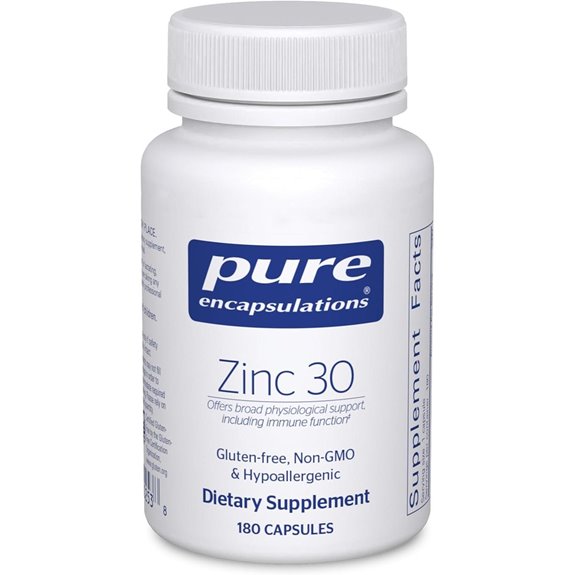
Zinc 30 mg from Pure Encapsulations is ideal if you want a highly absorbable option that supports immunity, growth, and wound healing. You’ll get 30 mg zinc per capsule with a form that’s easily absorbed, helping your body’s natural defenses and healing processes. This supplement aids immune function and supports the absorption of B vitamins, which power metabolism and nutrient utilization. It also supports normal fetal and reproductive development, so you benefit beyond immediate protection. With 180 capsules, you have ongoing support without frequent refills. Made free from common allergens, GMOs, and unnecessary ingredients, it fits clean, focused wellness.
Thorne Zinc Picolinate 30 mg – 180 Capsules
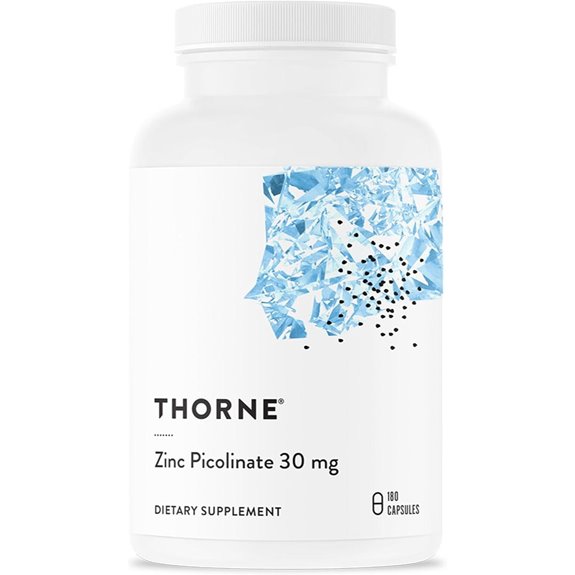
If you’re seeking a highly absorbable zinc option, Thorne Zinc Picolinate 30 mg (180 capsules) stands out for its picolinate form, designed to boost absorption and support immune function and growth. You get 30 mg of zinc per capsule, targeting enzymatic reactions, DNA synthesis, and antioxidant defense. This product is trusted by thousands of health professionals and prominent teams, with Thorne’s Mayo Clinic collaboration underscoring credibility. With 180 capsules, it fits daily use within a balanced regimen. The zinc picolinate delivery emphasizes better uptake, helping you maintain steady support for immune health and growth over time.
Nature Made Zinc Supplements 30 mg – 60 Gummies
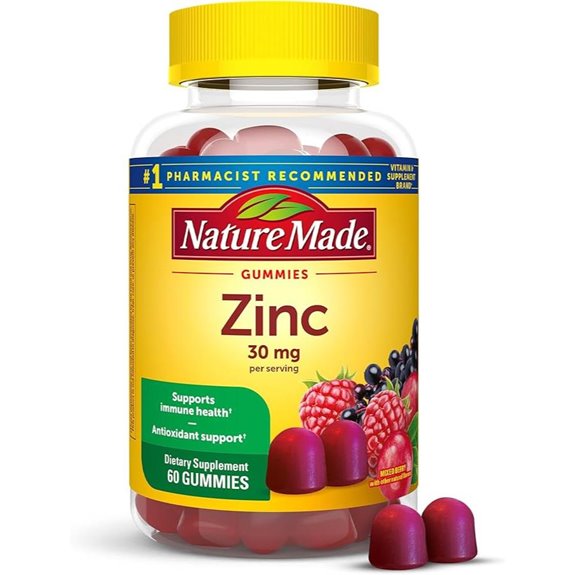
Looking for a convenient zinc option with a pleasant taste? Nature Made Extra Strength Zinc Supplements 30 mg Gummies come in a 60-count bottle, a 30-day supply, and are gluten free. Each gummy delivers 30 mg of zinc with mixed berry and natural fruit flavors, without artificial colors, flavors, high fructose corn syrup, or sweeteners. You’ll chew two gummies daily for immune and antioxidant support, plus skin health benefits from zinc’s role in many enzymes. Sourced from quality ingredients and backed by the brand’s pharmacist recommendation, these gummies are not a disease treatment. Labels note FDA evaluation caveats and intended use.
Pure Encapsulations Zinc 30 mg—Immune & Healing Support (60 caps)
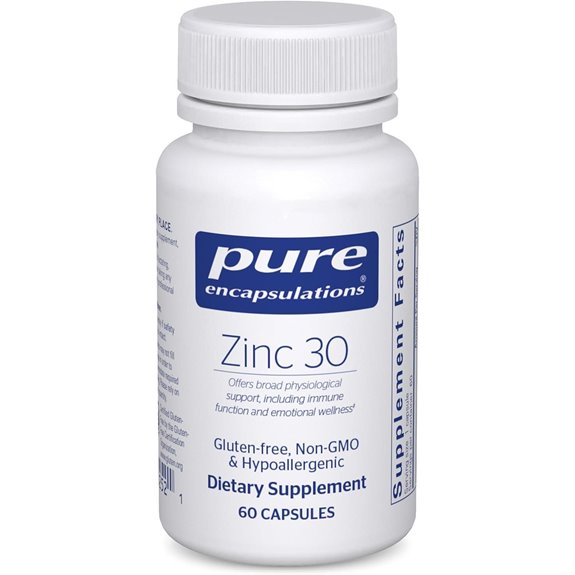
Pure Encapsulations Zinc 30 mg—Immune & Healing Support (60 caps) is ideal if you want a highly bioavailable zinc option that’s free from common allergens and unnecessary additives. This product delivers 30 mg zinc as zinc picolinate in 60 capsules, designed for easy absorption and utilization. It supports your body’s natural defenses, aids immune function, and assists wound healing, while promoting the absorption and action of B vitamins. It also backs digestion and metabolism of nutrients, including carbohydrates and minerals, and supports normal fetal and reproductive development. Pure Difference means absence of allergens, artificial additives, and GMOs.
Garden of Life Zinc + Vitamin C Supplement (60 VEG)
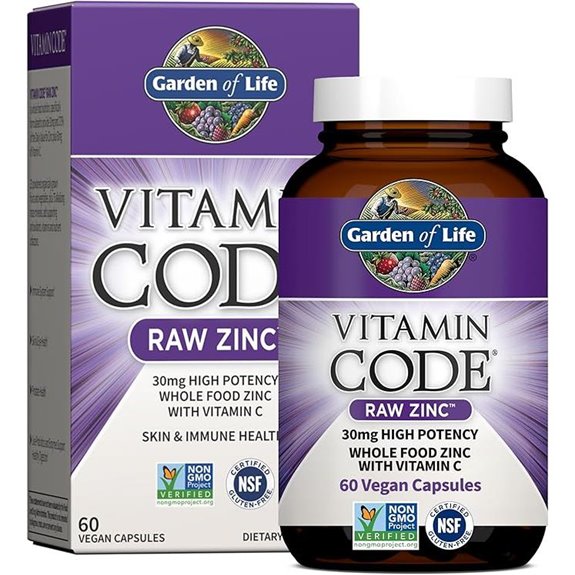
Garden of Life Zinc + Vitamin C Supplement (60 VEG) stands out for anyone seeking a plant-based, gut-friendly zinc option, delivering 30 mg of zinc plus 60 mg of vitamin C per serving along with live probiotics and plant enzymes. You get raw zinc with a probiotic and enzyme blend, plus trace minerals, in 60 vegan capsules. Each serving supports immune health, collagen formation, and digestion, with flexibility since capsules can be opened into water or juice and don’t require refrigeration. It’s non-GMO, gluten-free, kosher, vegan, and free from dairy, soy, and synthetic binders. Suitable for gluten- or dairy- or soy-avoidant diets.
Factors to Consider When Choosing Zinc Supplement
When choosing a zinc supplement, consider your dosage options and whether you’ll prefer daily or weekly use. The form you choose affects absorption, so look for lab-tested brands with clear ingredient notes and any allergen or additive disclosures. Check brand credibility and summaries of purity, and weigh your needs for potential allergens while balancing effectiveness with cost.
Zinc Dosage Options
Considering zinc dosage options can be tricky, so you’ll want to match the strength to your goals and daily routine. Common choices are 30 mg, 50 mg, and 100 mg per caplet or dose, with higher-potency forms marketed for immune support. Some products supply a daily serving of 30 mg (one capsule or two gummies), while others offer 50 mg or 100 mg per serving, so pay attention to daily intake recommendations. Chelated or picolinate forms (such as zinc picolinate) are promoted for better absorption at similar milligram strengths as standard zinc. Multi-month or larger packages (180–250 capsules) fit ongoing 30–50 mg regimens, affecting adherence and total weekly intake. Co-formulated nutrients like vitamin C can influence dosage suggestions and absorption considerations.
Absorption Forms Matters
Absorption form matters because different zinc types aren’t absorbed equally, and your choice can affect how much zinc actually gets into your system. Chelated forms like zinc glycinate or picolinate are marketed for higher bioavailability than standard salts such as oxide or sulfate, and some studies show improved absorption with these chelates. Zinc picolinate and glycinate are commonly linked to better uptake in certain formulations. However, absorption can be influenced by competing minerals, like iron, and by meal context, since shared gut transport methods play a role. Some supplements use nanoparticle or carrier technologies to boost stability and intestinal uptake, potentially altering rates. Your age, gut health, and baseline zinc status further modulate how effectively a given form is absorbed.
Brand Credibility
Choosing a zinc supplement isn’t just about the price or the form; it also hinges on brand credibility. Look for longevity claims, solid research backing, and statements about decades of quality and consistency. Check for leadership claims (like “the #1 zinc brand”) and verify them with independent sources when possible. Assess safety and quality assurances tied to the brand, including allergen-free, gluten-free, non-GMO, and vegetarian/vegan certifications. Consider whether the brand emphasizes third-party testing, manufacturing standards, and transparency about ingredients. Note collaborations or endorsements with clinics or professional organizations as credibility indicators, but seek corroborating evidence. Prioritize brands that publish test results, supply chain details, and clear certification history to ensure you’re choosing a trustworthy, consistently reputable zinc supplement.
Allergens & Additives
When you’re selecting a zinc supplement, pay close attention to allergens and additives to minimize exposures and reactions. Look for labels that state allergen-free or list specific exclusions like gluten-free, dairy-free, and soy-free to avoid common triggers. Check for non-GMO and vegan/vegetarian designations if animal-derived ingredients or GMOs concern you. Verify the product is free from artificial colors, flavors, and unnecessary additives to minimize potential allergen exposures. For sensitivities, choose zinc forms labeled hypoallergenic or designed for easy digestibility with minimal allergen risk. If you have severe allergies, review capsule or tablet materials—gelatin versus plant-based—to ensure compatibility with your dietary restrictions. Prioritize products clearly communicating safety and ingredient quality to reduce reaction chances.
Daily vs. Weekly Use
If you’ve already considered allergens and additives, you’ll want to weigh how often you’ll take zinc. Daily use typically provides a steady baseline, while weekly regimens deliver a higher dose less frequently, which may affect absorption and tolerance. Most zinc supplements are designed for daily dosing to meet recommended allowances consistently. Higher-potency options, like 50–100 mg per dose, are often used for short-term support or specific immune needs, potentially making weekly or intermittent use feasible under guidance. Consistency in daily intake helps maintain steady zinc levels and may minimize fluctuations in immune support and antioxidant function. For sensitive stomachs, daily lower doses may be better tolerated than a single larger weekly dose.
Additional Nutrient Benefits
Consider how added nutrients can boost zinc’s effects: some formulas pair zinc with vitamin C, probiotics, or plant-based enzymes to support immune function, digestion, and absorption beyond zinc alone. When you choose, note vitamin C co-supplementation can enhance antioxidant capacity and support collagen formation alongside zinc’s skin benefits. Look for zinc formulas that include probiotic blends or plant-based enzymes to aid digestion and improve overall nutrient utilization. These combinations can amplify absorption and make the zinc more effective, especially if you’re prioritizing immune support or gut health. Some products also pair zinc with B vitamins to assist energy metabolism and fetal or reproductive development. If absorption is a concern, chelated forms like zinc-picolinate are marketed for superior uptake, potentially boosting the impact of accompanying nutrients.
Common Questions
What Forms of Zinc Are Most Absorbable?
Zinc picolinate and zinc citrate are among the most absorbable forms you can take. You’ll notice better uptake when you pair zinc with small amounts of meals or at bedtime if you tolerate it, and avoid high-phytate foods around dosing. If you’re vegan or have gut issues, opt for chelated forms, which often absorb more reliably. Capsule or tablet forms work, but liquid zinc can cause stomach upset for some.
How Much Zinc Daily Is Recommended?
You should aim for about 8–11 mg of zinc daily for most adults, with 11 mg for men and 8 mg for women. If you’re pregnant or breastfeeding, you’ll need more—typically around 11–12 mg or higher as advised by a clinician. Don’t exceed 40 mg daily unless directed, because high amounts can cause side effects. Take zinc with food to reduce stomach upset, and avoid taking it alongside calcium or iron at the same time.
Can Zinc Interact With Medications or Minerals?
Yes, zinc can interact with medications and minerals. You might see reduced absorption when you take ↯ antibiotics (like doxycycline, quinolones) or biphosphonates, or when calcium, iron, or copper are taken at the same time. You’ll want to separate doses by a couple of hours. Talk to your doctor about zinc supplements if you’re on thyroid meds, anticonvulsants, or diuretics, and avoid high-dose zinc unless advised.
What Are Common Zinc Supplementation Side Effects?
Zinc supplements can cause side effects like nausea, stomach upset, metallic taste, and headaches. You might also experience vomiting, diarrhea, or constipation in some cases. Start with a small dose and take it with food to reduce GI issues. If you notice dizziness, skin rashes, or difficulty breathing, seek medical advice promptly. Keep doses within recommended ranges to avoid copper imbalance or interactions with meds you’re taking. This isn’t a substitute for professional guidance.
When Should You Take Zinc for Immune Support?
You should take zinc for immune support at the start of a meal or with food to minimize stomach upset, and you can split doses if you’re taking higher amounts. For daily maintenance, a consistent time helps, but some people prefer morning. If you’re fighting a cold, taking zinc within 24 hours of onset may help a bit. Avoid taking with high-calcium foods or antacids, which can hinder absorption.
Editor’s Pick — GLP-1 Support
Hello100 GLP-1 Booster — Supports GLP-1 receptor activity to help manage appetite naturally. No prescription needed.
Check Price & Availability → *Affiliate link