
Did you know zinc supports immune function and skin health, yet many people don’t get enough from their diet? If you’re weighing options, you’ll find solid picks like NOW Zinc Gluconate and Zinc Picolinate, plus chelated and citrate forms that prioritize absorption. Each option has its own strengths, from vegan and non-GMO claims to high-potency 100 mg doses. Curious which one lines up with your goals and budget? Let’s weigh the details that matter.
Key Points
- Zinc form matters: Zinc citrate, picolinate, and chelated zinc offer differing absorption profiles; choose based on bioavailability claims.
- Potency and serving: Look for 30–50 mg per serving with clear daily dosage guidance for consistent metabolism support.
- Purity and labels: Prefer products with explicit “free from” statements (gluten, soy, GMOs) and transparent ingredient lists.
- Quality signals: Verify GMP certification, non-GMO status, and domestic packaging or strict quality controls.
- Comprehensive benefits: Target immune function, RNA/DNA synthesis, and enzyme activity across skeletal, neurological, and endocrine systems.
| NOW Zinc Gluconate 50 mg Supplements 100 Tablets | 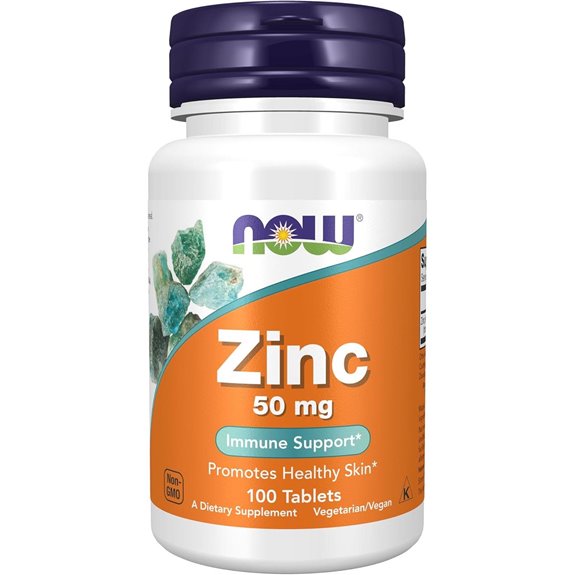 | Best Overall | Form: Tablet | Zinc Type: Zinc Gluconate | Potency (per unit): 50 mg | VIEW LATEST PRICE | Read Our Analysis |
| Zinc (Citrate) for Immune & Metabolism – 60 Capsules | 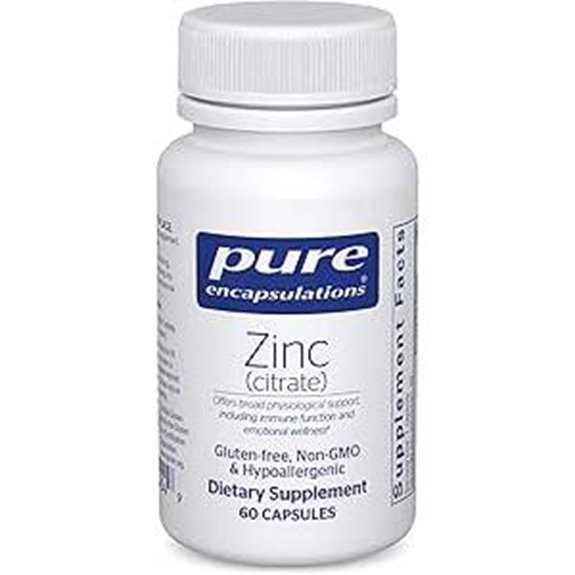 | Highly Absorbable | Form: Capsule | Zinc Type: Zinc Citrate | Potency (per unit): 30 mg | VIEW LATEST PRICE | Read Our Analysis |
| Horbäach Chelated Zinc Supplement 100mg (250 Tablets) | 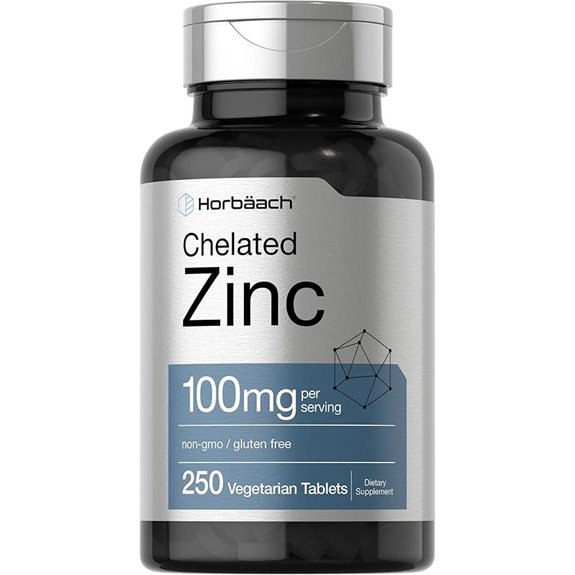 | Very High Potency | Form: Tablet (Chelated) | Zinc Type: Chelated Zinc | Potency (per unit): 100 mg | VIEW LATEST PRICE | Read Our Analysis |
| NOW Foods Zinc Picolinate 50 mg 120 Veg Caps | 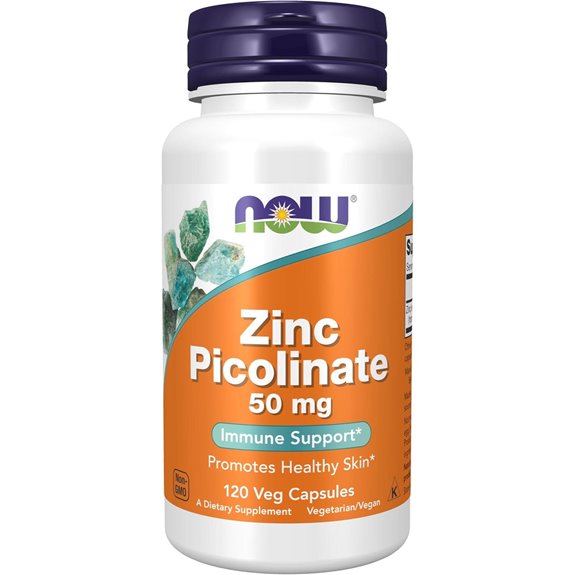 | Allergen-Safe Formula | Form: Veg Capsule | Zinc Type: Zinc Picolinate | Potency (per unit): 50 mg | VIEW LATEST PRICE | Read Our Analysis |
| Nature’s Bounty Zinc 50mg: Immune & antioxidant support | 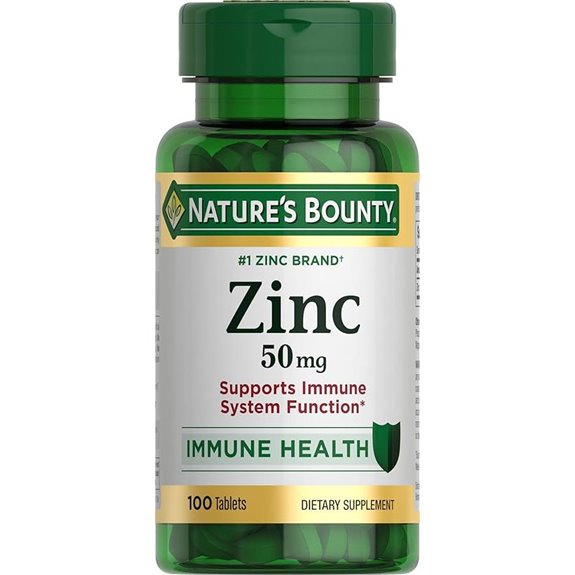 | Immune Support Leader | Form: Caplet | Zinc Type: Zinc (generic zinc) | Potency (per unit): 50 mg | VIEW LATEST PRICE | Read Our Analysis |
More Details on Our Top Picks
NOW Zinc Gluconate 50 mg Supplements 100 Tablets
If you’re looking for a zinc option that’s both reliable and well-suited for daily support, NOW Zinc Gluconate 50 mg (100 tablets) stands out. These NOW Foods zinc gluconate tablets deliver 50 mg per tablet, with a pack of 100. Zinc supports enzymes across skeletal, immune, neurological, and endocrine systems, helping RNA/DNA synthesis and intercellular signaling. It also aids immune function and skin health, contributing to healthy aging through antioxidant activity. The product is vegan, soy-free, kosher, non-GMO, halal, and sugar-free, with GMP quality assurance. Packaged in the USA by a long‑standing family-owned company since 1968.
- Form:Tablet
- Zinc Type:Zinc Gluconate
- Potency (per unit):50 mg
- Serving Size:1 tablet
- Dietary Suitability:Vegan
- Certifications/Quality Cues:Vegan, Kosher, Halal, Non-GMO, GMP
- Additional Feature:Vegan and Kosher certifications
- Additional Feature:Manufactured in USA by family-owned company
- Additional Feature:Natural color variation
Zinc (Citrate) for Immune & Metabolism – 60 Capsules
Zinc (Citrate) for Immune & Metabolism – 60 Capsules stands out for those seeking a highly absorbable zinc option with a clear daily routine: 30 mg per capsule, taken with a meal. You get pure zinc citrate designed to support immune defenses, tissue development, and metabolism, without common allergens or GMOs. Each vegan, non-GMO capsule emphasizes easy absorption, aiding enzymatic digestion and nutrient metabolism. Take one capsule daily to support immune function and collagen formation. Free from gluten and artificial additives, this supplement aligns with a clean label approach, reflecting Pure Encapsulations’ commitment to avoiding unnecessary ingredients.
- Form:Capsule
- Zinc Type:Zinc Citrate
- Potency (per unit):30 mg
- Serving Size:1 capsule
- Dietary Suitability:Vegan
- Certifications/Quality Cues:Vegan, Non-GMO, Gluten Free
- Additional Feature:Highly absorbable citrate form
- Additional Feature:Gluten-free formulation
- Additional Feature:Free from common allergens
Horbäach Chelated Zinc Supplement 100mg (250 Tablets)
Horbäach Chelated Zinc Supplement 100mg (250 Tablets) stands out for those seeking high-potency zinc with superior absorption. You get 100 mg chelated zinc per tablet in a vegetarian, non-GMO, gluten-free formula, delivered across 250 tablets. This product emphasizes superior absorption, supporting overall wellness with a potent zinc source. It’s laboratory tested and uses trusted ingredients, reflecting Horbaach’s commitment to quality and a 100% guarantee. Free from gluten, wheat, yeast, milk, lactose, soy, artificial colors and flavors, it suits those with sensitivities. Choose this high-potency option for consistent daily zinc support.
- Form:Tablet (Chelated)
- Zinc Type:Chelated Zinc
- Potency (per unit):100 mg
- Serving Size:1 tablet
- Dietary Suitability:Vegetarian
- Certifications/Quality Cues:Non-GMO, Gluten Free, Vegetarian
- Additional Feature:Chelated zinc high potency
- Additional Feature:Vegetarian and Gluten Free
- Additional Feature:Non-GMO certification
NOW Foods Zinc Picolinate 50 mg 120 Veg Caps
Looking for a zinc supplement that supports numerous body systems? NOW Foods Zinc Picolinate 50 mg, 120 Veg Caps offers 50 mg zinc picolinate per capsule in a vegan, non-GMO formula. Packaging may vary, and the product is vegan, soy free, kosher, halal, and NPA GMP-certified. It supports enzyme functions across skeletal, immune, neurological, and endocrine systems, aiding RNA/DNA synthesis and intercellular signaling. It helps defend against oxidative stress and supports healthy aging. Manufactured in the USA by a family-owned company since 1968, this supplement emphasizes potency, stability, and reliable formulation for daily use.
- Form:Veg Capsule
- Zinc Type:Zinc Picolinate
- Potency (per unit):50 mg
- Serving Size:1 Veg Capsule
- Dietary Suitability:Vegan
- Certifications/Quality Cues:Vegan, Kosher, Non-GMO
- Additional Feature:Picolinate mineral form
- Additional Feature:Summer shipping note
- Additional Feature:Multiple certifications (GMP, A-rated)
Nature’s Bounty Zinc 50mg: Immune & antioxidant support
If you want a straightforward immune and antioxidant support with a trusted brand, Nature’s Bounty Zinc 50mg is a strong pick for daily use. This caplet delivers 50 mg zinc for immune health, antioxidant action, and DNA formation support. It backs skin and bone health as zinc participates in collagenase activity and enzyme function. The formula is vegetarian, non-GMO, gluten-free, sugar-free, and designed for daily habit consistency. You get 100 caplets, with one caplet per day. From Nature’s Bounty, the #1 zinc brand, it reflects five decades of quality and research, crafted for year-round supplementation.
- Form:Caplet
- Zinc Type:Zinc (generic zinc)
- Potency (per unit):50 mg
- Serving Size:1 caplet
- Dietary Suitability:Vegetarian
- Certifications/Quality Cues:Non-GMO, Gluten Free, Vegetarian
- Additional Feature:100 caplets per bottle
- Additional Feature:Vitamin/antioxidant support claims
- Additional Feature:Non-GMO, sugar-free, gluten-free
Factors to Consider When Choosing Zinc Metabolism Supplement
When choosing a zinc metabolism supplement, consider your preferred form and how well it’s absorbed, since zinc comes in various forms with different uptake. Check daily dosage guidelines and allergen information, and look for reputable brand certifications to ensure quality and transparency. This will help you weigh zinc form options, absorption differences, and practical details like daily amounts and allergens as you compare top picks.
Zinc Form Options
Choosing the right zinc form can affect absorption and tolerance, so consider how each option stacks up in digestion and uptake. Zinc forms include zinc gluconate, zinc citrate, zinc picolinate, and chelated zinc, each with varying bioavailability and digestive tolerability. Zinc citrate capsules typically offer around 30 mg zinc per capsule, marketed for efficient absorption in the digestive tract. Chelated zinc (e.g., zinc glycinate or zinc bisglycinate) is often highlighted for superior absorption and gentler stomach tolerance. Zinc picolinate is a common form noted for high bioavailability and is frequently found in capsule or tablet formats. Form selection can impact absorption, with zinc chelates and picolinate commonly preferred for potential enhanced uptake versus simple zinc salts. Consider tolerance and target absorption when choosing your zinc form.
Absorption Differences
Absorption differences matter because the form you pick and how you take zinc can change how much actually gets into your system. Zinc citrate and zinc picolinate are often cited as highly absorbable, whereas zinc oxide tends to be less efficient. Chelated zinc, bound to amino acids, is marketed for better uptake and fewer interactions with food or minerals. Capsule and tablet formulations influence bioavailability through disintegration and dissolution, which affects how quickly zinc enters your bloodstream. Food matters too: phytates in grains and legumes can bind zinc and reduce absorption, while high-protein meals can enhance uptake. Daily dosage and consistency matter as well; 30–50 mg per serving works best when you avoid excessive amounts that don’t boost absorption proportionally.
Daily Dosage Guidance
Daily dosage depends on your age, sex, and health goals, and many people use 15–50 mg per day depending on deficiency risk. You’ll want to match your intake to established needs: 8 mg for adult women and 11 mg for adult men daily, but supplements often range higher to address gaps. Consider how elemental zinc is labeled on the product—50 mg or 100 mg capsules reflect actual zinc content you’ll absorb, not total weight. Absorption varies by form: citrate, glycinate, picolinate, or chelated options can influence how much you actually absorb, so pick a formulation that suits your tolerance and digestion. Taking zinc with meals can improve absorption and reduce stomach upset, especially for gentler forms. For chronic use, stay mindful of tolerable upper intake levels.
Allergen Considerations
Allergen considerations matter when selecting a zinc metabolism supplement. You should check each product’s allergen statements (vegan, gluten-free, dairy-free, soy-free) to avoid triggering sensitivities. Look for labels that explicitly note freedom from common allergens if you have restrictions, such as gluten, dairy, or soy. Verify the zinc form you choose aligns with your preferences and any digestive sensitivities, since some forms are marketed as hypoallergenic. Consider brands that state they’re free from artificial colors, flavors, GMOs, and allergens to minimize exposure risk. Read certifications and manufacturing notes (vegan, non-GMO, gluten-free) to ensure allergen-related claims are consistently upheld across the product, avoiding mismatches between labeling and production practices.
Brand Certifications
Brand certifications matter because they publicly validate quality, safety, and transparency. You’ll want GMP quality assurance and third-party testing, like NPA A-rated GMP, to confirm manufacturing standards and potency. Look for clear allergen labeling and exclusions—vegan, gluten-free, non-GMO, soy-free—within the brand’s certification claims. If domestic production matters to you, verify the product is packaged in the USA or follows strict domestic quality controls. Seek brands that disclose explicit “free from” statements for artificial additives, GMOs, and common allergens. Transparency about the zinc form (zinc gluconate, zinc citrate, zinc picolinate, chelated zinc) and its alignment with claimed absorption and purity certifications is essential. Combine these certifications with reliable labeling to support consistent performance and safety in your zinc metabolism regimen.
Additives and Fillers
When choosing a zinc metabolism supplement, pay attention to additives and fillers that can affect digestibility and your allergen exposure. Some products include fillers or binders that vary by brand, influencing how you absorb zinc and your sensitivity risk. If you have sensitivities, opt for products labeled free from common allergens like gluten, soy, and dairy, since fillers often contain them. Vegan or vegetarian formulations may use plant-based fillers or capsules (for example hypromellose) instead of gelatin, impacting dietary compatibility. Certifications such as GMP, non-GMO, and allergen-free can signal stricter controls on additives and fillers used in the final product. Dose form matters: smaller capsules with fewer inactive ingredients may be preferable for sensitive individuals.
Shelf-Life Indicators
Shelf-life indicators matter because you want a zinc supplement that stays potent until the last dose. Start by checking the printed expiration date on the bottle and verify it at purchase to ensure potency and safety over time. Look for a recent manufacturing date or lot number to gauge freshness and estimate remaining shelf life. Review packaging for moisture and light protection—airtight caps and opaque containers help preserve zinc stability. Favor products with clear storage guidance, such as keeping them in a cool, dry place, to maximize longevity and prevent degradation. Consider certifications or quality seals (GMP, non-GMO, vegan) that often accompany robust shelf-life testing and stability data, signaling added reliability in how long the product remains effective.
Common Questions
How Does Zinc Aid Metabolic Rate Beyond Energy Production?
Zinc supports metabolic rate beyond energy production by activating enzymes involved in macronutrient processing, maintaining thyroid function, and supporting DNA transcription for cell growth. It helps you regulate appetite, insulin signaling, and lipid metabolism, so your body uses nutrients more efficiently. By stabilizing proteins and membranes, zinc also reduces stress responses that can slow metabolism. You’ll likely feel steadier energy, sharper focus, and better stamina as these systems work in concert.
Are Zinc Forms Equally Effective for Metabolism and Immunity?
Not exactly. Zinc forms aren’t all equally effective for metabolism and immunity. You’ll get the most bang from zinc picolinate or zinc citrate for absorption and general support, while zinc glycinate also helps with immune function. Avoid poorly absorbed forms like zinc oxide. You’ll notice better metabolism and immune responses when you maintain steady intake within recommended ranges, spread across meals, and pair zinc with copper and vitamin B6 as advised.
What Daily Zinc Intake Supports Optimal Enzymatic Activity?
You should aim for about 8–11 mg of zinc daily for adults, which supports optimal enzymatic activity in most people. One interesting stat: only about 2–3% of your body’s zinc is circulating in the blood, yet it’s essential for over 300 enzyme reactions. So you’ll boost metabolism and defenses by meeting, not exceeding, the recommended range. If you’re pregnant, nursing, or have a deficiency, adjust with a clinician’s guidance.
Can Zinc Interfere With Other Minerals or Vitamins?
Yes, zinc can interfere with other minerals and vitamins. It may hinder copper absorption, potentially causing copper deficiency, and can affect iron and calcium uptake when taken at high doses. Take zinc separately from meals or supplements that list these minerals to minimize interactions. If you’re supplementing heavily or for a prolonged period, monitor levels and consult a clinician to adjust dosages and avoid imbalances. Short, consistent dosing tends to reduce interference.
Which Zinc Supplement Best Supports Thyroid Metabolism?
The best zinc supplement for thyroid metabolism is one with zinc picolinate or zinc citrate, paired with iodine and selenium for balance. Think of your thyroid as a listener at a quiet gate; zinc picolinate helps it hear signals clearly, while iodine and selenium keep the doors from sticking. You’ll want a product that’s gentle on your stomach, has third-party testing, and avoids excessive copper. Start with the recommended dose and adjust under a clinician’s guidance.
Editor’s Pick — GLP-1 Support
Hello100 GLP-1 Booster — Supports GLP-1 receptor activity to help manage appetite naturally. No prescription needed.Check Price & Availability → *Affiliate link