
When you choose a plant fiber supplement, you’ll look for balance, balance, balance between soluble and insoluble fibers; you’ll want organic, vegan, non-GMO formulas with clear per-serving fiber and a transparent breakdown. You’ll compare blends with prebiotics, easy-mix options, and unflavored formulas that dissolve smoothly in water, yogurt, or smoothies. You’ll want guidance that helps you pick the five best options, but the next detail might just change your mind.
Key Points
- Organic, plant-based options: choose products labeled organic, vegan, gluten-free, and non-GMO for clean sourcing and digestion-friendly fibers.
- Balanced fiber profiles: look for blends with both soluble and insoluble fiber to support fullness, transit, and gut comfort.
- Prebiotic support: select items featuring prebiotic ingredients (inulin, FOS, acacia gum) to nourish beneficial gut bacteria.
- Clear per-serving data: prefer labels that specify total fiber, soluble/insoluble breakdown, and exact servings per container for easy daily planning.
- Easy use and safety: prioritize unflavored, low-grit blends that dissolve well in various foods/drinks and come with third-party or clean-label assurances.
| MRM Organic Fiber with Enzymes & Prebiotics | 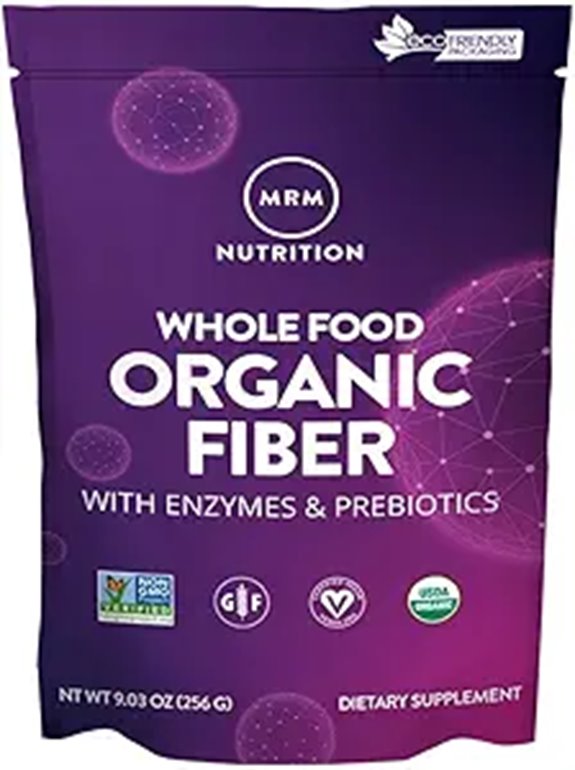 | Best Overall | Form: Powder | Flavor: Unflavored | Dietary Type: Vegan | VIEW LATEST PRICE | Read Our Analysis |
| Garden of Life Organic Fiber Powder Detox Blend | 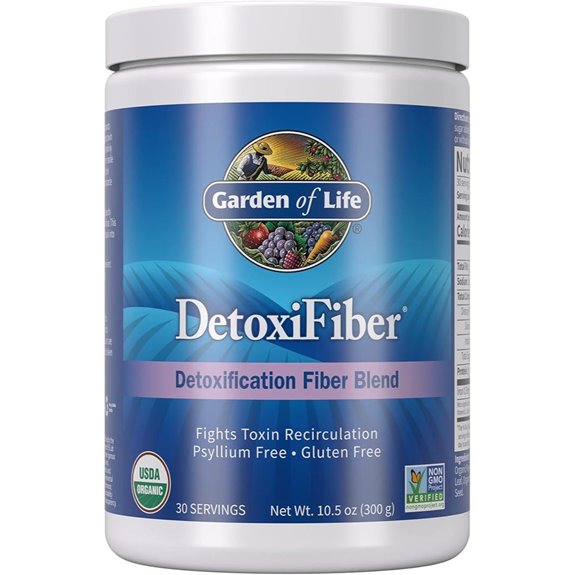 | Detox & Cleanse Leader | Form: Powder | Flavor: Unflavored | Dietary Type: Vegan | VIEW LATEST PRICE | Read Our Analysis |
| Prebiotic Fiber Supplement Powder for Digestive Health (70 Servings) | 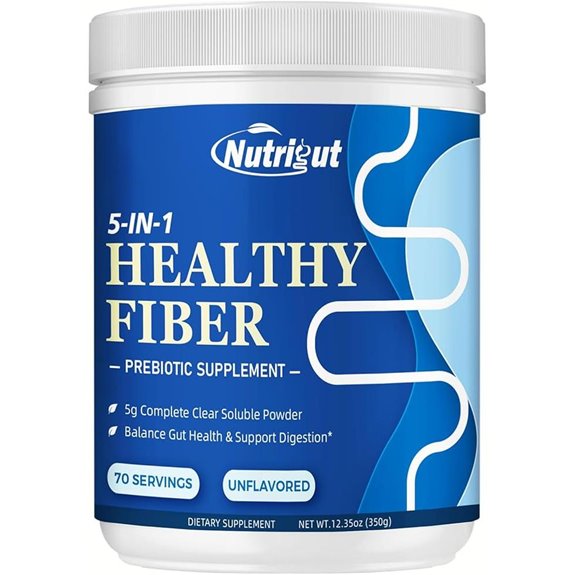 | Gentle Prebiotic Power | Form: Powder | Flavor: Unflavored | Dietary Type: Vegan | VIEW LATEST PRICE | Read Our Analysis |
| Micro Ingredients Vitality Prebiotic Fiber Powder (1lb) | 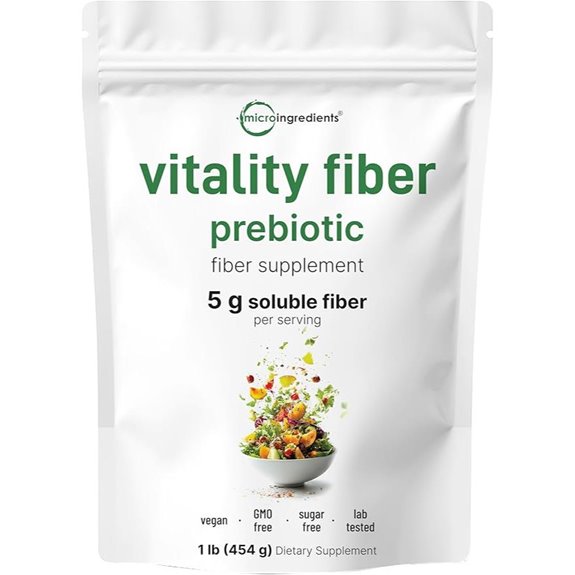 | Ultra-Pure Prebiotic | Form: Powder | Flavor: Unflavored | Dietary Type: Vegan | VIEW LATEST PRICE | Read Our Analysis |
| Digestive Health Easy Mix Fiber – Unflavored 7.1oz | 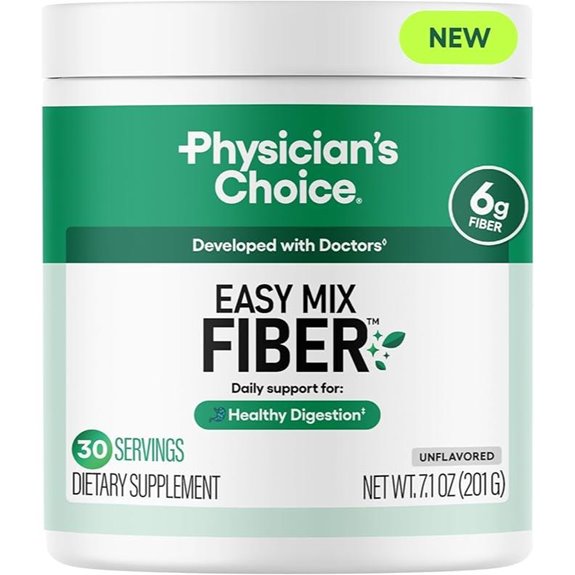 | Everyday Digestive Support | Form: Powder | Flavor: Unflavored | Dietary Type: Not explicitly stated as vegan (implied by no animal ingredients in description) | VIEW LATEST PRICE | Read Our Analysis |
More Details on Our Top Picks
MRM Organic Fiber with Enzymes & Prebiotics
MRM Organic Fiber with Enzymes & Prebiotics is a strong choice if you want a whole-food fiber that supports both digestion and cardiovascular health in one labeled, vegan-friendly option. You’ll get 6g of fiber per serving from a mix of insoluble and soluble fibers, with 32 servings per container. This organic, gluten-free, vegan, non-GMO product emphasizes natural ingredients and minimal bloating. Add one scoop to at least 10 oz of liquid, then enjoy easy blending into water, juice, cereal, yogurt, smoothies, or recipes to boost fiber intake. Certified Organic, it supports digestive health and regularity while promoting heart wellness.
- Form:Powder
- Flavor:Unflavored
- Dietary Type:Vegan
- Fiber Source Type:Whole food organic fiber
- Primary Benefit Focus:Digestive health & regularity
- Certification/Quality Claims:Certified Organic; Gluten-Free; Vegan; Non-GMO
- Additional Feature:Whole Food Raw Organic Fiber
- Additional Feature:Enzymes included
- Additional Feature:Supports Cardiovascular Health
Garden of Life Organic Fiber Powder Detox Blend
Garden of Life Organic Fiber Powder Detox Blend is a great choice if you’re looking for a gluten-free, vegan, plant-based fiber with a detox-support focus. This unflavored powder blends plant fibers from chia, flax, pea hulls, alfalfa, and barley grass into a 5g daily fiber boost. It offers 4g insoluble and 1g soluble fiber per serving, backed by Organic and vegan credentials and non-GMO verification. The mix supports internal cleansing, helps impede toxin recirculation, and resists breakdown and fermentation for steady benefits. With no sugars, fillers, or artificial additives, you can easily incorporate it into foods or drinks for regular use.
- Form:Powder
- Flavor:Unflavored
- Dietary Type:Vegan
- Fiber Source Type:Plant-based dietary fiber blend
- Primary Benefit Focus:Detox/colon cleansing with toxin management
- Certification/Quality Claims:Non-GMO Project Verified; Certified USDA Organic; Gluten-Free
- Additional Feature:Detoxification blend
- Additional Feature:Psyllium Free
- Additional Feature:5g fiber per serving
Prebiotic Fiber Supplement Powder for Digestive Health (70 Servings)
If you’re seeking a gentle, plant-based fiber boost for daily digestive support, this Prebiotic Fiber Supplement Powder is a top pick. This 70-serving bottle delivers 5 g per scoop of a plant-based, unflavored fiber blend. It combines FOS, Acacia Gum, Inulin, Baobab, and PHGG to support gut health, nourish beneficial flora, promote regularity, and relieve constipation without bloating. It’s gluten-free, sugar-free, vegan, non-GMO, keto-friendly, and low-carb, with clean, simple nutrition and no artificial additives. Easy to dissolve and mix into foods or drinks, it helps you increase fiber intake consistently without altering taste or texture.
- Form:Powder
- Flavor:Unflavored
- Dietary Type:Vegan
- Fiber Source Type:Prebiotic fiber from multiple plant sources
- Primary Benefit Focus:Digestive health & regularity
- Certification/Quality Claims:Gluten-free; Non-GMO; Vegan
- Additional Feature:Five natural prebiotic sources
- Additional Feature:Baobab vitamin source
- Additional Feature:Gluten-free + Sugar-free
Micro Ingredients Vitality Prebiotic Fiber Powder (1lb)
Micro Ingredients Vitality Prebiotic Fiber Powder is ideal if you’re seeking a plant-based, vegan-friendly fiber boost with no sugar, dairy, gluten, or soy. This 1 lb unflavored powder delivers 5 g soluble fiber per serving across 90 servings, blending easily into coffee, tea, baked goods, or desserts. Its 2-in-1 formula combines chicory root inulin with FOS for digestive support, gut health, and a gentler stomach. You’ll appreciate the scoop for precise measurement and the powder’s higher concentration for faster absorption. Plant-based, non-GMO, and free from fillers, this product is third-party tested for safety, purity, and potency.
- Form:Powder
- Flavor:Unflavored
- Dietary Type:Vegan
- Fiber Source Type:Prebiotic fiber (inulin + FOS)
- Primary Benefit Focus:Digestive and gut health
- Certification/Quality Claims:3rd-party tested; Gluten-free; Non-GMO; Vegan
- Additional Feature:2-in-1 chicory + FOS
- Additional Feature:Third-party lab tested
- Additional Feature:90 servings per pouch
Digestive Health Easy Mix Fiber – Unflavored 7.1oz
Digestive Health Easy Mix Fiber is the best choice if you want a smooth, unflavored daily fiber boost that’s easy to mix into hot or cold drinks without clumping. You’ll get 6 grams of natural prebiotic fiber per serving, supporting digestion, regularity, and gut health, while promoting fullness between meals. This soluble, stomach-friendly powder is sugar-free, tasteless, and grit-free, so it stays smooth in liquids and won’t sludge up. Simply stir, shake, or mix for 60 seconds; it blends easily into your routine. Manufactured in the USA, third-party tested for safety, purity, and potency, with no artificial ingredients.
- Form:Powder
- Flavor:Unflavored
- Dietary Type:Not explicitly stated as vegan (implied by no animal ingredients in description)
- Fiber Source Type:Prebiotic fiber (inulin, chicory root, etc.)
- Primary Benefit Focus:Digestion, fullness, regularity
- Certification/Quality Claims:3rd-party tested; USA-made; No sugar or artificial ingredients
- Additional Feature:Probiotic routine support
- Additional Feature:Two clinically-studied prebiotic fibers
- Additional Feature:60-second mixability
Factors to Consider When Choosing Plant Fiber Supplement
When you choose a plant fiber supplement, consider the fiber type, your daily goals, and how solubility affects digestion. Think about how different fibers support gut health, your dietary needs or restrictions, and any allergen considerations. This helps you balance fiber variety with practicality and responsiveness to your body’s signals.
Fiber Types Overview
Choosing a plant fiber supplement means balancing soluble and insoluble fibers to match your digestion, goals, and tolerance. Soluble fibers, like inulin and acacia gum, dissolve in water and form a gel that can slow digestion and help stool formation. Insoluble fibers, such as cellulose-derived components and some seed husks, add bulk and speed transit through your gut. Most plant fiber sources—psyllium, chia, flax, acacia, inulin, FOS, baobab—offer different soluble-to-insoluble ratios, so your choice shapes how you feel between meals. Fiber blends tailor outcomes for gentle digestion, regularity, or colon health by adjusting this balance and adding prebiotics. Consider how a specific mix aligns with your tolerance, routine, and digestive response to achieve your preferred rhythm and comfort.
Daily Fiber Goals
Building on what you learned about fiber types, you’ll want a realistic target that fits your routine and tolerance. Daily goals typically sit at about 25 grams for women and 38 grams for men, though age, activity, and health can shift those numbers. You probably average 15–18 grams right now, which shows how much room there is to grow. Aim for a balanced mix of soluble and insoluble fiber to support digestion and regularity, then adjust as you go. Gradually increase intake and pair it with ample water to minimize bloating. If your diet falls short, fiber supplements can help you hit targets, but match the supplement type to your digestive goals—soluble versus insoluble—so you feel better, not bloated.
Solubility Impact
Solubility affects how a plant fiber supplement feels and works in your body. How quickly it dissolves in liquid changes your experience, shaping smoothness and mouthfeel without grit. Soluble fiber forms a gel-like substance that can slow digestion and modulate glucose absorption after meals, helping you manage post-meal spikes. Higher soluble fiber content can improve satiety and may support temporary fullness between meals, so you feel fuller longer. Insoluble fiber adds bulk and aids stool passage, complementing soluble fiber for regularity. Blends that balance soluble and insoluble fiber reduce bloating risk while supporting digestive comfort. When choosing, consider how the product’s solubility profile matches your preferences for texture, fullness, and ease of digestion throughout the day.
Gut Health Support
Gut health benefits hinge on a balanced mix of soluble and insoluble plant fibers, plus targeted prebiotics like inulin, FOS, or acacia gum that nourish beneficial bacteria. To support digestion, choose a formula with both fiber types and prebiotics, since soluble fibers soften stool and aid transit, while insoluble fibers add bulk for regularity. Prebiotic components selectively feed beneficial gut bacteria, improving stool quality and digestion. Look for clean-label products that avoid added sugars, artificial colors, and fillers, emphasizing natural plant sources. Consistency matters: daily use and gradual fiber increases help minimize bloating and gas while promoting long-term digestive health. Consider tolerability and start low, then build, ensuring the blend aligns with your goals for regularity, satiety, and gut comfort.
Allergen & Diet Needs
Considering allergen and diet needs is essential when selecting a plant fiber supplement. First, check for common allergens and dietary exclusions—gluten-free, dairy-free, soy-free, tree-nut-free, vegan, and non-GMO—so you match your requirements. Next, confirm fiber source compatibility with your choices; blends may include inulin, FOS, or acacia yet still bear gluten-free and vegan certifications. Also verify sugar content and artificial additives; many powders boast sugar-free, no artificial ingredients, which matters if you’re sensitive. Assess tolerance to psyllium or other fibers; some products are psyllium-free or use gentler, soluble fibers to reduce bloating. Finally, review third-party testing and certifications like USDA Organic or Non-GMO Project Verified to ensure alignment with restrictions.
Serving Size Clarity
How much fiber you get hinges on clear serving size labeling. That clarity tells you exactly how much fiber you’re getting per scoop or serving, shaping your daily intake and consistency across products. Look for explicit per-serving measurements and the total number of servings per container so you can plan accurately. Ensure the label specifies whether the amount is for a single scoop, one heaping scoop, or a standard tablespoon to avoid miscalculations. Some products list fiber as total per serving, others break down soluble and insoluble content; clear labeling lets you compare profiles without guesswork. When serving sizes vary between products, convert to a common unit (grams per day) to assess whether you’ll meet your daily goal with typical use.
Clean Label Assurance
Clean label assurance means choosing plant fiber supplements with minimal, known ingredients and no artificial additives, sweeteners, or fillers. You should verify certifications or third-party testing that confirm ingredient purity and safety, such as non-GMO, organic, or lab verification. A clean label proudly lists each fiber source—acacia, inulin, psyllium—without hidden fillers or unwanted allergens. Look for clear allergen transparency and avoidance of common triggers like gluten, dairy, soy, and tree nuts to support broad suitability. Favor unflavored or naturally sourced formulations, reducing the need for artificial flavors or added sugars and maintaining a purer ingredient profile. Prioritize brands that communicate ingredient provenance and rigorous testing, so your choice aligns with a transparent, trustworthy ingredient story.
Mixing Versatility Potential
Mixing versatility defines how easily a plant fiber supplement fits into your daily routine. You’ll want an easy-mix powder labeled as unflavored or no grit, so it blends smoothly in hot or cold drinks and foods. Check the soluble–insoluble balance to see how it behaves across liquids, yogurt, cereals, and baking. Look for minimal clumping and claims like dissolves clearly or no graininess, which preserve texture in each use. Packaging should include a scoop with precise serving sizes to keep recipes consistent, whether you’re whisking in coffee, smoothies, or batter. Favor fiber sources that perform well in water, juice, smoothies, coffee, and baked goods, maximizing daily usage without sacrificing mouthfeel or appearance. This versatility empowers you to tailor intake precisely to your routine.
Common Questions
Are All Plant Fibers Gluten-Free and Allergen-Safe?
All plant fibers aren’t automatically gluten-free or allergen-safe. You’ll need to check individual ingredients, processing methods, and cross-contact statements. Some plant fibers come from gluten grains or are processed in facilities handling common allergens, so they can carry risk. Always read labels, contact manufacturers, and look for certification (gluten-free, allergen-free). Remember, “the proof is in the details”—never assume; verify before you trust a product for your dietary needs.
Which Fiber Helps With Both Digestion and Blood Sugar?
Psyllium fiber helps with both digestion and blood sugar. It passes through your system to soften stool and promote regularity, while its soluble gel slows glucose absorption, supporting steadier blood sugar after meals. Start with small amounts, drink plenty of water, and increase gradually to reduce gas. If you have a history of GI issues or diabetes, consult your clinician before adding it regularly. Look for reputable, high-quality psyllium husk products.
Do These Supplements Cause Gas or Bloating?
Yes, some can cause gas or bloating, especially when you start them or take too much at once. Start with a small dose, drink plenty of water, and increase gradually to help your gut adjust. If you have a sensitive digestion or medical condition, check with your clinician before using fibers like inulin or psyllium. If bloating persists, try a different type or consider separating fiber from other meals.
How Long to See Improvements in Regularity?
You’ll notice changes in your regularity within a few days to a week if you’re consistent with your fiber intake. It’s totally dazzling how quickly it works—sarcasm intended. Start with a gradual increase, drink plenty of water, and keep a routine. If you don’t see improvement after two weeks, reassess your fiber type and hydration. You might also consider pairing fiber with movement. Patience helps; consistency, even more.
Are There Any Interactions With Medications?
Yes, certain plant fibers can interact with medications. Fiber may affect absorption if taken near your meds, so space doses by 2–4 hours. It can alter anticoagulant or thyroid medication efficacy in some people, and bind certain antibiotics. Check with your clinician before starting, especially if you’re on digoxin, anticoagulants, or diabetes drugs. Start slowly, increase gradually, and drink plenty of water. If you notice unusual symptoms, stop and seek advice promptly.
Editor’s Pick — GLP-1 Support
Hello100 GLP-1 Booster — Supports GLP-1 receptor activity to help manage appetite naturally. No prescription needed.Check Price & Availability → *Affiliate link