
If you’re weighing plant flavonoid supplements, you’ll want blends that cover brain and immune support, circulation, and heart health, plus transparent labeling and third-party testing. You’ll see options ranging from luteolin-heavy formulas to citrus bioflavonoid complexes with quercetin and rutin, plus specialty picks like ear-health and hair vitality. Start with clear serving sizes and daily totals, then decide how each product aligns with your goals—there’s more to compare than you might expect.
Key Points
- Luteolin with rutin and rosmarinic-acid extracts supports brain health, inflammatory balance, and mental clarity with a vegan, allergy-free formula.
- Citrus bioflavonoid blends offer high total flavonoids (1500 mg/serving) plus quercetin and rutin for circulation and antioxidant benefits.
- Quercetin-focused formulations emphasize immune support, cardiovascular health, and enhanced absorption for daily use.
- Prostate, hair health, and urinary vitality blends (e.g., saw palmetto–based) target long-term energy, mood, and drive.
- Ear health and specialty flavonoid blends address inner-ear function and multi-ingredient daily totals for dosing clarity.
Luteolin Supplement: 98% Ultra-Purity, Brain & Immune Support
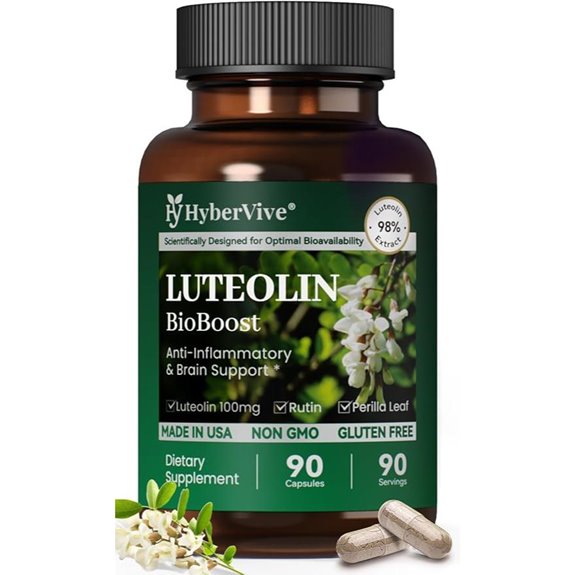
If you’re seeking a high-purity luteolin option that combines brain health with immune support, this 98% ultra-pure luteolin supplement stands out. You get 100 mg luteolin per capsule (98% standardized), plus 50 mg rutin (95%), and 50 mg perilla leaf extract (20% rosmarinic acid), totaling 200 mg daily. This vegan, allergen-free formula is manufactured in a GMP-certified California facility and third-party tested, USA-made. Benefits target memory, mental clarity, immune health, and inflammatory balance, aiding healthy aging. Expect gentle mood lift in weeks 1–2, clearer focus by weeks 3–4, and lasting cognitive clarity with ongoing use. A 90-day supply keeps daily vitality consistent.
Extra Strength Saw Palmetto Herbal Complex 30 Capsules
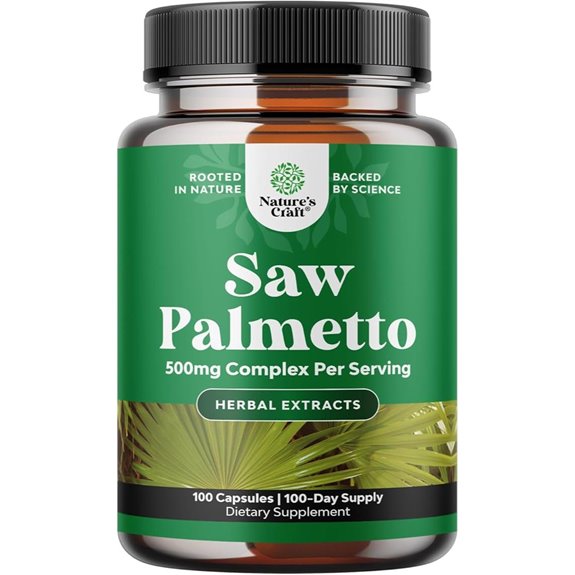
Extra Strength Saw Palmetto Herbal Complex delivers 500mg per serving in a 30-capacle bundle, making it a standout choice for men seeking prostate support and hair health. You’ll get potent berries that address aging male concerns, supporting urinary comfort and overall vitality. Each capsule pairs plant sterols and flavonoids for a targeted effect, while third-party lab testing backs quality you can trust. For hair health, this complex benefits strands and scalp, with a nutrient-rich panel suitable for both genders. Natures Craft aims to unlock long-term energy, mood, and drive, delivering a reliable, doctor-trusted herbal option.
Citrus Bioflavonoids for Circulation — 1500mg, 240 Caps
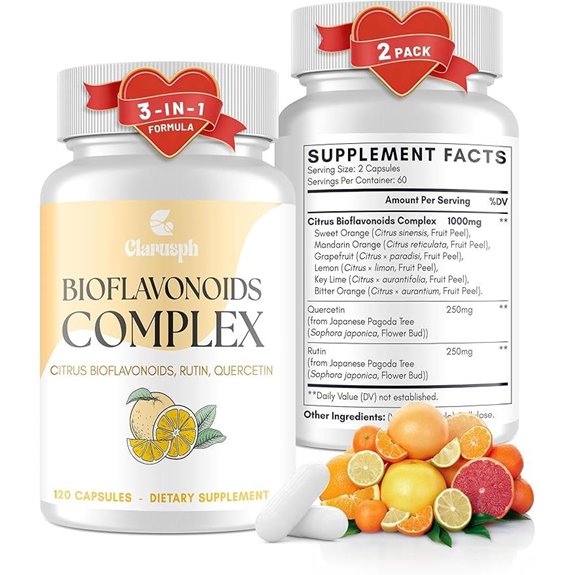
Citrus Bioflavonoids for Circulation stands out for anyone seeking a high-potency, plant-based option that targets vascular support. This Clarusph formula delivers 1500mg per serving, with 2 capsules providing 1000mg citrus bioflavonoids, plus 250mg quercetin and 250mg rutin, standardized to 50% hesperidin. You gain circulation support and antioxidant benefits from a vegan, gluten-free blend sourced entirely from citrus and Japanese pagoda tree, with no artificial additives. Two capsules per serving keep routine simple while delivering precise potency. Trust a targeted, science-forward formulation designed for overall wellness in your daily regimen.
Quercetin 500mg Supplement – Immune & Heart Support
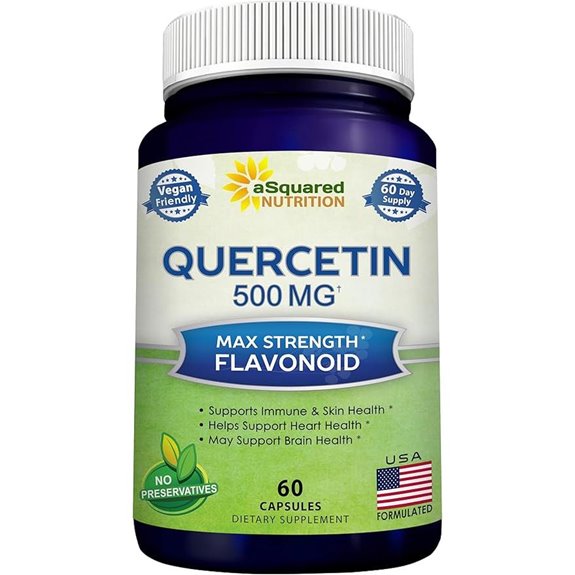
Quercetin 500mg Supplement – Immune & Heart Support stands out for anyone seeking a vegan, high-strength flavonoid to support immune balance and cardiovascular wellness. You get a 60-capsule bottle, with 500mg per capsule, designed for a 60-day supply. This vegan, non-GMO product supports immune response, antioxidant protection, and overall wellness, including energy and skin health. It’s produced in a GMP-certified facility, third-party tested for quality and purity, and optimized for absorption. Use one capsule daily, suitable for men and women year-round. Sourced from natural fruits and vegetables, it delivers a reliable, consistent option for long-term health maintenance.
Lipo-Flavonoid Ear Ringing Complex with Vitamins
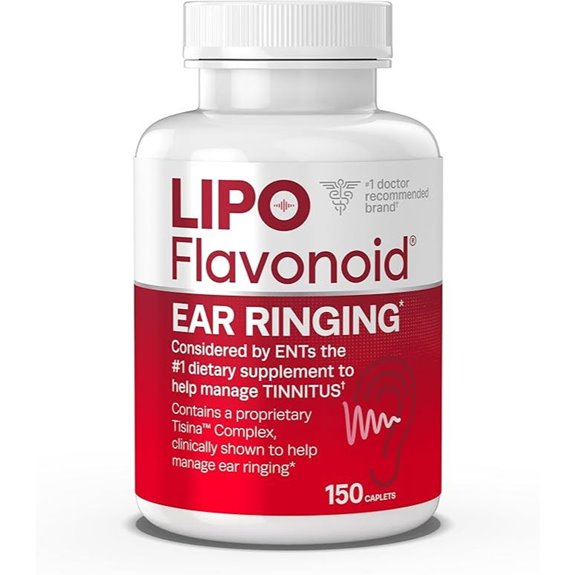
Lipo-Flavonoid Ear Ringing Complex with Vitamins stands out for anyone seeking targeted ear health support backed by decades of clinical use. This doctor-recommended supplement targets ear ringing with a clinically proven lemon bioflavonoid complex plus vitamins C, B1, B2, B6, B12, and calcium. Trusted by ENT doctors as an over-the-counter solution, it’s backed by over 60 years of real-world effectiveness in supporting inner ear health and reducing ringing. Take 2 caplets three times daily, and continue for at least 60 days. It’s satisfaction guaranteed, with refund options if you provide proof of purchase and see no relief. Caplets: 150.
Factors to Consider When Choosing Plant Flavonoid Supplement
When you’re choosing a plant flavonoid supplement, start with purity and potency to ensure you’re getting what’s advertised. Consider bioavailability, plant source variety, and third-party testing to verify quality and consistency. Also think about targeted benefits to match your goals, so you pick a formula that aligns with your needs.
Purity and Potency
Purity and potency matter because they determine how much active flavonoid you actually get per dose. You’ll see purity reported as a percentage or milligrams per serving, and that directly influences how strong each capsule feels. Potency comes from standardized extracts, like 98% luteolin or 20% rosmarinic acid in perilla leaf, paired with precise per-capsule dosages (for example, 100 mg luteolin, 50 mg rutin, 50 mg perilla). Higher per-serving totals, such as 1500 mg citrus bioflavonoids, signal stronger immediate intake, though bioavailability matters for real effects. Trust third-party testing and GMP-certified manufacturing to verify content and contaminants. Consistent formulation—vegan, gluten-free, allergen-free—helps reliable delivery and absorption, boosting perceived potency without additives interfering.
Bioavailability Factors
Bioavailability shapes how much of a flavonoid you actually absorb and use, so choosing a supplement with absorption in mind matters as much as the total dose. You’ll want to consider molecular form, since aglycones and glycosides absorb differently and sugar moieties can affect gut uptake. Formulation matters too: complexation with lipids, phospholipids, or esterified forms can boost intestinal uptake and systemic exposure. Co‑administration with fats, piperine, or quercetin glycosides can modulate absorption and reduce first‑pass metabolism, improving availability. Micronization, particle size reduction, and encapsulation (liposomes, micelles) enhance solubility and bioavailability. Finally, individual factors—age, gut microbiota, enzyme activity, and overall health—significantly influence how effectively you absorb and utilize plant flavonoids.
Plant Sources Variety
Where should you look for the most effective plant flavonoids? You’ll find diversity across citrus fruits (hesperidin), berries (quercetin), leafy greens, and herbs (rosmarinic acid in perilla), each delivering distinct antioxidant and circulatory benefits. Some formulations combine multiple flavonoids—like luteolin with rutin and rosmarinic acid—to target inflammation balance, cognitive support, and immune health. The same botanical source can yield different active fractions and potencies, such as citrus bioflavonoids with quercetin and rutin, or a 1000 mg serving, so check labels carefully. Look for standardized content (e.g., 98% luteolin or 50% hesperidin) to ensure consistent dosing. Also note vegan, gluten-free, and non-GMO attributes align with dietary preferences and quality assurances.
Third-Party Testing
When evaluating plant flavonoid supplements, third-party testing is a practical safeguard you can’t afford to skip. This independent verification confirms potency, purity, and absence of contaminants beyond what the manufacturer claims. Look for credible certification from labs like USP, NSF, or ISO-accredited facilities, and request full batch-specific test results. Third-party data helps you confirm labeled active ingredient amounts—such as luteolin, quercetin, or rutin—match the stated mg per capsule or serving. It also reveals whether heavy metals, allergens, solvents, or adulterants are absent, which directly impacts safety and efficacy. Clear disclosure of testing frequency (batch-to-batch) and readily accessible certificates of analysis build trust and product transparency, guiding you toward consistently reliable supplements.
Targeted Benefits
Targeted benefits help you pick a flavonoid supplement that aligns with your goals. When assessing options, look for cognitive support, immune modulation, inflammatory balance, circulation improvement, and antioxidant protection as core promises. Some formulations pair luteolin with rutin and rosmarinic-acid-rich extracts to boost brain health and inflammatory balance. If circulation and antioxidant activity are priorities, consider higher-dose citrus bioflavonoid blends around 1500 mg per serving. For immune and cardiovascular aims, choose quercetin-focused products that highlight bioavailability enhancements. Specialty blends address age-related concerns, hair health, urinary comfort, and inner-ear function through flavonoid-rich complexes. Match your needs with the targeted benefit claims, and verify that the formulation supports your primary health goals without unnecessary additives.
Serving Size Clarity
Choosing a plant flavonoid supplement with clear serving size details is essential for accurate dosing and value. Look for how many capsules or tablets make a daily dose and the exact amount of each active flavonoid per serving. Your label should show both the total daily intake of the flavonoid blend and any accompanying actives (e.g., rutin, hesperidin, quercetin) within that serving. Consistency in serving size across products helps you compare potency and affordability, especially when dosages vary (e.g., 500 mg per capsule vs. 1500 mg per serving of multiple components). For multi-ingredient formulas, the serving size should reflect the combined amount of all flavonoids per day, not just per capsule, to avoid under- or overdosing. Ambiguity hinders dosing accuracy and perceived value.
Common Questions
Are Flavonoids Vegan-Friendly and Dairy-Free?
A hypothetical case: you try a vegan, dairy-free flavonoid supplement made from citrus peels, and it works fine for your digestion. Yes, most flavonoids are vegan-friendly and dairy-free, since they come from plants, not animal products. Just check labels for hidden dairy ingredients or lactose fillers. You’ll want certifications like vegan or dairy-free. If you’re unsure, contact the manufacturer. You can usually enjoy citrus, grape, or tea-derived flavonoids without dairy.
Can Flavonoids Replace Prescription Medications?
No, flavonoids can’t replace prescription medications. They may support health and interact with certain drugs, but you should not stop prescribed treatments or adjust doses without your clinician’s guidance. If you’re curious about flavonoids, discuss safe options and potential interactions with your healthcare provider. Use them as complements, not substitutes, to your treatment plan. Remember to follow evidence-based advice and monitor any changes you experience. Your safety comes first.
Do Flavonoid Supplements Cause Any Interactions?
They can interact, so you should check with your clinician before taking flavonoid supplements. Think of it like mixing ingredients in a recipe: one unexpected combo can alter effects. Flavonoids may affect blood thinners, diabetes meds, and some antidepressants, or influence enzymes that handle drugs in your liver. If you’re on prescription meds, you should disclose every supplement you use and monitor for signs of interactions, adjusting doses as advised. Safety first.
What Is the Best Time of Day to Take Flavonoids?
The best time is whenever you’ll remember to take them consistently, but many people prefer with a meal. Taking flavonoids with fats can help absorption, so consider a breakfast or lunch source that includes healthy fats. If you’re using a multi-ingredient supplement, spacing away from minerals like iron or calcium can help. Monitor how you feel and adjust timing to suit your routine, then stay consistent for the best effect.
Are There Any Common Allergens in These Supplements?
Allergens appear occasionally: tree nuts, soy, gluten, dairy,-shellfish, and citrus. Still, it’s not universal, so you should scrutinize supplement labels for ingredients and potential cross-contact. Check manufacturing notes for warnings about aids like gelatin, soy lecithin, or colorants. If you have sensitivities, consult a clinician before purchasing. You’ll want to compare brand disclosures, verify third‑party testing, and err on the side of cautious choices to prevent reactions.
Editor’s Pick — GLP-1 Support
Hello100 GLP-1 Booster — Supports GLP-1 receptor activity to help manage appetite naturally. No prescription needed.
Check Price & Availability → *Affiliate link