
You’ll be blown away by how a simple soluble fiber choice can transform your digestion, energy, and comfort on the daily. If you’re weighing gummies, capsules, or powders, you’ve got solid options that suit taste, timing, and routine. We’ll break down the top picks—from Amazon Basics to Metamucil and beyond—and compare fiber types, certifications, and potential heart or appetite benefits to help you decide what fits your goals.
Key Points
- Choose soluble-fiber-rich options like psyllium (Metamucil) and beta-glucans (Nature Target) for strong regularity and heart health support.
- Consider organic, vegan, non-GMO blends (MRM Organic Fiber) for clean, plant-based fiber with enzymes and prebiotics.
- Gummy formats (Amazon Basics, Vitafusion) offer convenient, palatable soluble fiber, but watch sugar content and serving counts.
- Powder-based fibers (Nature Target, MRM) allow flexible dosing to hit 25–38 g daily fiber goals with hydration.
- Prioritize gluten-free or keto-friendly labels if dietary needs are essential (Nature Target, Vitafusion, Amazon Basics).
| Amazon Basics Fiber Gummies: Digestive Health (90) | 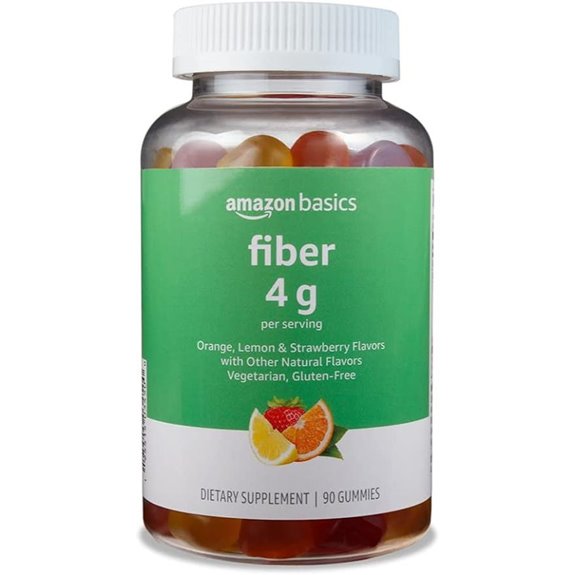 | Digestive Health Boost | Form: Gummies | Fiber Type: Total fiber (4 g per serving) | Servings/Container: 45 servings | VIEW LATEST PRICE | Read Our Analysis |
| Metamucil Psyllium Husk Capsules: Digestive Health Support | 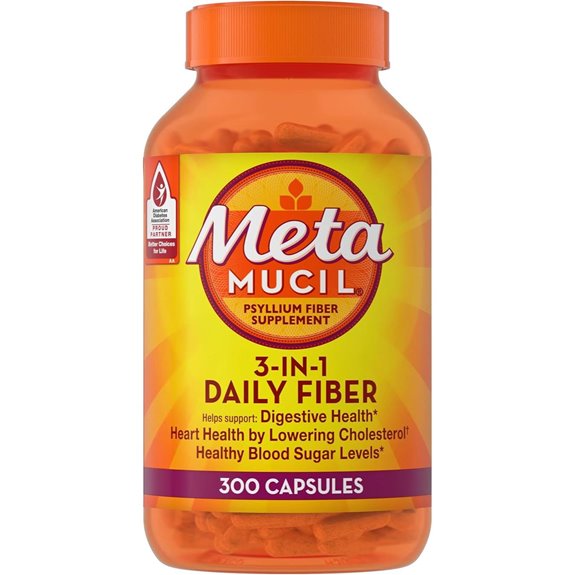 | Doctor-Recommended Fiber | Form: Capsules | Fiber Type: Psyllium husk fiber | Servings/Container: 300 capsules | VIEW LATEST PRICE | Read Our Analysis |
| MRM Organic Fiber with Enzymes & Prebiotics |  | Organic Whole-Food Fiber | Form: Powder | Fiber Type: Whole food organic fiber (mixed soluble/insoluble) | Servings/Container: 32 servings | VIEW LATEST PRICE | Read Our Analysis |
| Nature Target Daily Fiber Supplement for Digestive Health | 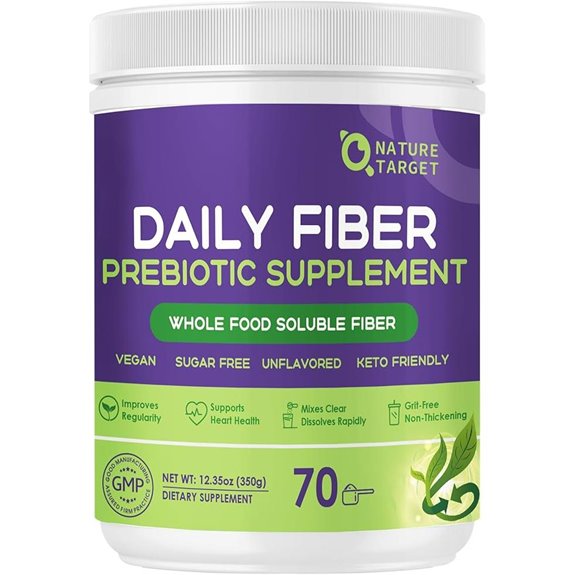 | Keto-Friendly Fiber | Form: Powder | Fiber Type: Soluble fiber | Servings/Container: 70 servings | VIEW LATEST PRICE | Read Our Analysis |
| Vitafusion Fiber Well Gummy Vitamins 90 Count (Packaging May Vary) | 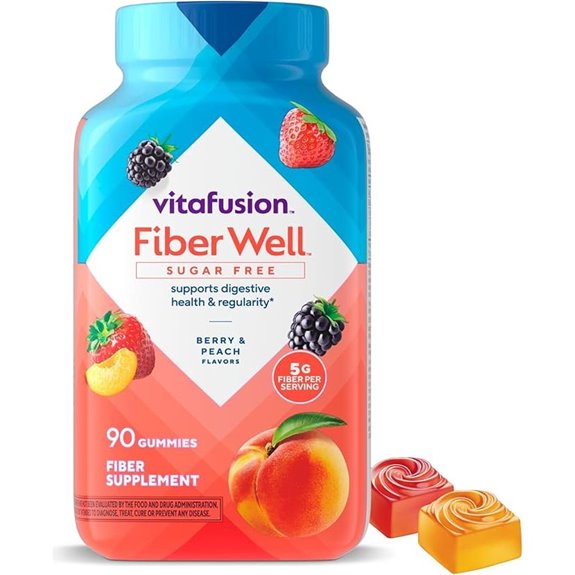 | Gummy Fiber Supplement | Form: Gummies | Fiber Type: Prebiotic fiber | Servings/Container: 45 servings | VIEW LATEST PRICE | Read Our Analysis |
More Details on Our Top Picks
Amazon Basics Fiber Gummies: Digestive Health (90)
Amazon Basics Fiber Gummies are a solid choice if you’re seeking a simple, vegetarian-friendly way to support digestive health and regularity—without pills. You’ll get 90 soft, pectin-based gummies, a 45-serving, one-and-a-half month supply, and a gluten-free, vegetarian option with no wheat, dairy, soy, or egg. Each serving delivers 4 g of fiber, and adults are advised to chew two daily. Flavors include orange, lemon, strawberry, and other natural varieties. The product supports digestive health and regularity, backed by a satisfaction guarantee with full refunds if you’re not happy. For help, contact 1-877-485-0385.
- Form:Gummies
- Fiber Type:Total fiber (4 g per serving)
- Servings/Container:45 servings
- Dietary Compatibility:Vegetarian, Gluten-free
- Primary Benefit:Supports digestive health and regularity
- Certification/Quality:No specific certifications listed
- Additional Feature:Vegetarian pectin base
- Additional Feature:90 gummies per pack
- Additional Feature:4 g fiber per serving
Metamucil Psyllium Husk Capsules: Digestive Health Support
Metamucil Psyllium Husk Capsules are a convenient, daily fiber option designed for people who want a simple way to support digestive health and regularity without mixing powders. You get 300 capsules in a 3-in-1 fiber supplement, delivering daily psyllium husk fiber without a spoon or measuring. These capsules help trap and remove waste, support heart health by lowering cholesterol, and assist healthy blood sugar levels. Intended for everyday use, they’re easy to integrate into your routine. As the #1 doctor-recommended fiber brand for over 90 years, Metamucil helps close the fiber gap when taken daily.
- Form:Capsules
- Fiber Type:Psyllium husk fiber
- Servings/Container:300 capsules
- Dietary Compatibility:Suitable for general use (dietary notes imply standard use)
- Primary Benefit:Supports digestive health, heart health, cholesterol and blood sugar
- Certification/Quality:Brand credibility (doctor-recommended fiber brand)
- Additional Feature:Capsule form
- Additional Feature:3-in-1 fiber
- Additional Feature:Doctor-recommended brand
MRM Organic Fiber with Enzymes & Prebiotics
MRM Organic Fiber with Enzymes & Prebiotics is a strong choice if you want a whole-food, plant-based fiber that supports regularity with minimal bloating. You’ll get 6g of fiber per serving from insoluble and soluble sources, with 32 servings per container. This organic, gluten-free, vegan, non-GMO powder mixes easily—add one scoop to at least 10 oz of liquid and blend into water, juice, cereal, yogurt, smoothies, or recipes to boost fiber. Benefits include digestive health, cardiovascular support, and reduced gas. Whole-food, raw organic fiber, derived from nature, delivers a clean, natural option you can trust.
- Form:Powder
- Fiber Type:Whole food organic fiber (mixed soluble/insoluble)
- Servings/Container:32 servings
- Dietary Compatibility:Gluten-Free, Vegan
- Primary Benefit:Supports digestive health and cardiovascular health
- Certification/Quality:Certified Organic; Gluten-Free; Vegan; Non-GMO
- Additional Feature:Organic whole food fiber
- Additional Feature:6 g fiber per serving
- Additional Feature:Enzymes and prebiotics
Nature Target Daily Fiber Supplement for Digestive Health
If you’re seeking a soluble fiber option that’s gentle on the gut and simple to integrate, Nature Target Daily Fiber Supplement stands out with 5g of completely soluble fiber per scoop that dissolves easily in 8 ounces of liquid and won’t alter taste or texture. This unflavored, gluten- and sugar-free powder is keto friendly and uses whole-food organic plant ingredients. It’s non-GMO, with no artificial colors or sweeteners, delivering 70 servings. Each scoop supports regularity, nudges digestion, and nourishes gut flora. It may curb hunger and help with energy, leaving you feeling lighter and more energized through the day.
- Form:Powder
- Fiber Type:Soluble fiber
- Servings/Container:70 servings
- Dietary Compatibility:Gluten-free, Keto-friendly, vegetarian
- Primary Benefit:Digestive regularity and gut health
- Certification/Quality:Non-GMO Project Verified
- Additional Feature:Unflavored powder
- Additional Feature:5 g soluble fiber per scoop
- Additional Feature:Keto-friendly formulation
Vitafusion Fiber Well Gummy Vitamins 90 Count (Packaging May Vary)
Vitafusion Fiber Well Gummy Vitamins offer a convenient way to support digestive health, especially if you’re looking for a tasty, sugar-free option. You get 5 g of prebiotic fiber per 2-gummy serving, aiding digestive health and promoting regularity. These sugar-free gummies are free from high-fructose corn syrup, gluten, and synthetic dyes, keeping flavor notes of peach, strawberry, and blackberry. Each 90-count bottle delivers a 45-day supply, designed to supplement fiber without diagnosing or curing diseases. Remember, these statements haven’t been evaluated by the FDA. Vitafusion remains America’s #1 gummy vitamin brand, offering a tasty, easy-to-use fiber option.
- Form:Gummies
- Fiber Type:Prebiotic fiber
- Servings/Container:45 servings
- Dietary Compatibility:Sugar-free, gluten-free, suitable for various diets
- Primary Benefit:Digestive health and regularity
- Certification/Quality:FDA-notes; not evaluated; gummy format with standard brand assurances
- Additional Feature:Gummy vitamin format
- Additional Feature:Sugar-free
- Additional Feature:5 g prebiotic fiber per 2 gummies
Factors to Consider When Choosing Soluble Fiber Supplement

When you pick a soluble fiber supplement, consider fiber type, your daily goal, and any additives that matter to you. Think about how the product tastes and feels, plus whether the brand is credible and transparent with ingredients. This quick check helps you balance flavor and texture with reliable fiber amounts and daily intake guidance.
Fiber Type Matters
Choosing a soluble fiber supplement means weighing the different types—psyllium, inulin, beta-glucans—and how they behave in your gut. Each type dissolves in water to form a gel-like substance that can slow digestion and help stabilize blood sugar levels, so your body’s response matters. Psyllium tends to gel strongly and can boost satiety, while beta-glucans from oats or barley may support heart health through cholesterol binding. Inulin ferries fermentation, which can affect gut comfort and gas differently from other fibers. A higher soluble-to-insoluble ratio in some formulas can influence fullness and transit, so pay attention to how you respond. Start slow, monitor bloating, and choose a type aligned with your goals and tolerance.
Daily Intake Tips
Daily intake matters: start with a small soluble-fiber dose and increase gradually to minimize bloating or gas, then aim for a steady daily habit. You should target 25–38 grams of total daily fiber, with soluble fiber roughly 5–15 grams per day depending on tolerance and goals. Begin with 3–5 grams daily, then add more over 1–2 weeks as your body adjusts. When you use a fiber supplement, mix it with a full glass of water (8 oz or more) and keep hydrated throughout the day to aid passage. Consistency matters: regular daily intake boosts benefits for regularity and satiety. If your intake rises significantly, monitor bowel changes and adjust gradually to maintain comfortable digestion, ensuring you don’t overdo soluble fiber at once.
Additive Considerations
Considering additives can shape your experience with soluble fiber, start by looking for the exact fiber type (like psyllium husk, inulin, or pectin) and its soluble fraction to compare efficacy. You should verify there are zero or low added sugars and artificial ingredients, since many products market themselves as sugar-free or all-natural. Confirm you get a concrete serving size and fiber amount per serving so you can gauge daily intake accurately. Decide whether the product is soluble-only or includes a mix of soluble and insoluble fibers, because that mix can influence digestion and potential bloating. Also inspect certifications or dietary compatibility (gluten-free, vegan, Non-GMO) to ensure it aligns with your dietary requirements.
Flavor vs. Texture
Flavor and texture expectations can shape how consistently you’ll use a soluble fiber supplement, so weigh taste preferences against mouthfeel. Some powders dissolve completely, delivering a smooth mouthfeel with minimal texture impact, which helps you avoid grit or heaviness. If you’re sensitive to taste, unflavored formulas minimize flavor interference, while flavored options can boost palatability but may introduce natural or artificial flavors. Dissolution speed matters, with certain blends able to dissolve in as little as 8 ounces without clumping, easing daily use. Texture also plays a role: a smoother solution often reduces perceived heaviness and aftertaste versus thicker mixtures. Balance your priorities—ease of mixing, flavor tolerance, and mouthfeel—so your chosen product supports consistent, long‑term use.
Brand Credibility
Brand credibility helps you trust the soluble fiber you’re taking. When choosing, look for established brands with a long history in fiber or digestive-health markets. Prefer labels that mention doctor recommendations or decades of consumer trust signals. Verify that the manufacturer offers clear refunds or satisfaction guarantees to back quality claims. Favor brands that share transparent ingredient sourcing, plus certifications such as organic, vegan, and non-GMO, along with allergen information. Consider whether the brand has independent third-party testing or certifications to corroborate fiber content and purity. This outside validation helps you gauge reliability beyond marketing. In short, credibility reduces guesswork, helping you feel secure about the product you select and its ongoing quality.
Diet Compatibility
Wondering how well soluble fiber fits your diet? When you choose a supplement, look for clear dietary compatibility like gluten-free, vegan, or keto-friendly labels to match your plan. If you follow plant-based or non-GMO preferences, check for vegetarian or non-GMO labeling to confirm alignment. If you’re avoiding common allergens, verify there’s no dairy, soy, or egg ingredients and confirm gluten-free status. Some products are keto-friendly and sugar-free, which supports low-carb or diabetic-friendly approaches. Certifications such as organic or non-GMO can reinforce your broader dietary principles and quality standards. By prioritizing these indicators, you’ll pick a soluble fiber option that fits your eating style without compromising your goals.
Convenience & Dosing
Soluble fiber supplements come in a range of formats and dosing schedules, so you can find options that fit your daily routine. Daily dosing frequency varies by product, with some providing multiple capsules or gummies per day to reach the recommended fiber intake. Convenience features include ready-to-consume formats (gummies, capsules) and no mixing required, reducing prep time. Capsule-based options often offer larger quantities (e.g., 300 capsules) for extended supply, while gummy formats may provide shorter shelf life or taste considerations. Clear serving sizes and labeled servings per bottle help you estimate how long the supply lasts (e.g., 45 servings). Packaging and product form can influence adherence, as soluble powders require mixing, while pills or gummies are generally easier to incorporate into daily routines.
Common Questions
How Does Soluble Fiber Affect Blood Sugar Control?
Soluble fiber slows digestion and sugar absorption, helping you keep blood sugar steadier after meals. You might think it’s hard to fit in, but you’ll likely notice easier glucose control and fewer spikes. By forming a gel in your gut, it reduces insulin demands and supports overall appetite management. Add it gradually with foods or a supplement, drink water, and pair it with balanced meals for the best effect on your numbers.
Are These Supplements Suitable for Gluten-Free Diets?
Yes, they can be, but check labels first. Look for gluten-containing grains like wheat, barley, and rye, and choose supplements labeled gluten-free. Some soluble fibers come from oats or chicory root, which may be processed for gluten-free safety, while others might be contaminated during manufacturing. If you have celiac disease or severe gluten sensitivity, contact the brand to confirm. Consider medical guidance to ensure your chosen fiber fits your gluten-free needs and timing with meals.
Can Soluble Fiber Cause Gas or Bloating?
Yes, soluble fiber can cause gas and bloating, especially if you jump in too fast. Start with a small amount, sip water, and wait a few days to see how you respond. If bloating persists, try a gentler option or mix different fibers. Keep an eye on dairy or sugar alcohols that can worsen symptoms. If you have pain, vomiting, or severe changes, contact a clinician promptly.
What’s the Best Time of Day to Take Soluble Fiber?
The best time is when it fits your routine, but you’ll usually get smoother results by taking soluble fiber with a meal. Start slowly to avoid gas, sip water, and give it time to work. If you take meds, separate by at least two hours. Consistency matters more than exact timing, so pick a daily window you’ll stick to. Adjust based on your digestion and comfort, and consult a clinician if you have concerns.
Do These Products Require a Prescription or Doctor Approval?
Approximately 80% of adults don’t meet daily fiber targets, visualizing the gap you can close. No, these products generally don’t require a prescription or doctor approval; you can buy over the counter. Still, if you have diabetes, aren’t sure about interactions with meds, or have a history of bowel issues, check with your clinician first. If you’re pregnant or nursing, confirm safety with a health professional before starting. Remember to hydrate well.