
You’re weighing a new delivery option with NuraPatch GLP-1, a skin-applied approach that could smooth dosing and improve adherence compared to daily pills or injections. The science points to steadier systemic exposure and fewer peak-trough swings, which might translate to fewer ups-and-downs in how you feel day to day. But real-world results depend on skin tolerance, patch adherence, and how well you’re supported with education and guidance. It’s a lot to consider, especially when you’re balancing daily routines, goals, and the desire for fewer hassles.
As you think about personalization, site rotation, and costs, you’re not alone in weighing how this format could fit into your regimen and long-term plans. It’s worth exploring how a patch might slot into your day, what support you’ll need, and what trade-offs matter most to you—comfort, convenience, and consistency—so you can make a choice that feels right for you.
Key Points
- NuraPatch exemplifies skin-applied GLP-1 delivery aiming for steady systemic exposure and fewer glucose fluctuations than pills or injections.
- Real-world efficacy hinges on adhesion, skin site, and patch wear duration, influencing dose transfer and tolerability.
- Patch-based therapy may improve adherence through weekly use and reduced self-management, though skin reactions can limit persistence.
- Variability in skin properties and adhesive formulation can modulate bioavailability and clinical outcomes across patients.
- Economic and regulatory factors shape access, with ongoing innovations targeting improved comfort, safety, and personalized dosing.
Effectiveness of Skin-Applied GLP-1 Compared to Pills and Injections
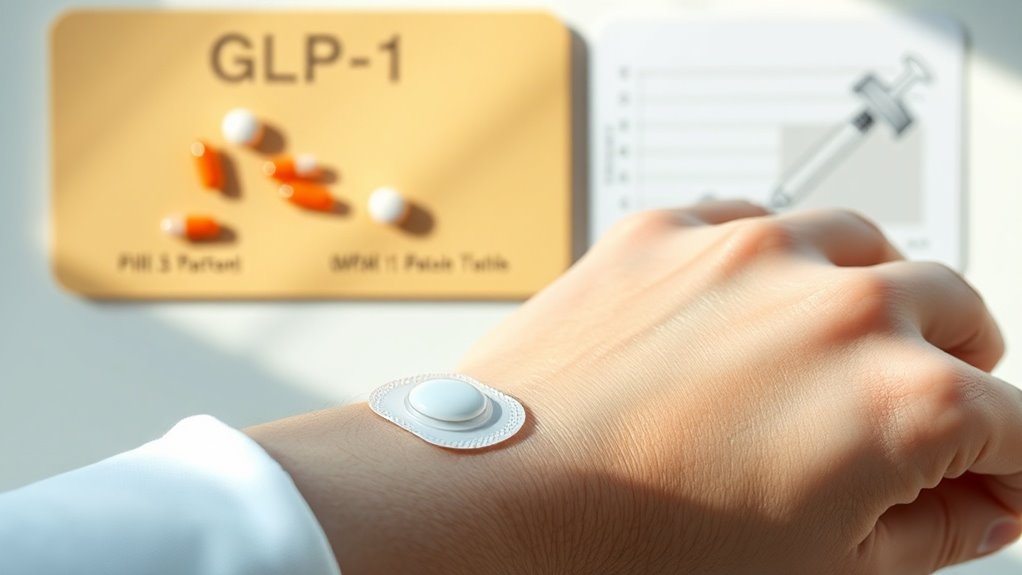
Skin-applied GLP-1 therapies can offer comparable glucose-lowering effects to oral pills and injectable options, but the extent of effectiveness hinges on pharmacokinetics, adherence, and patient factors. You’ll evaluate systemic exposure driven by skin permeability, which governs absorption rate and duration of action. When the patch yields steady-state plasma levels, you may experience durable improvements in glucose tolerance with reduced peak-trough fluctuations versus intermittent injections. However, variability in skin properties, local skin reactions, and device design can modulate bioavailability, potentially narrowing therapeutic windows. Comparative data suggest similar magnitude of A1c reductions under optimized conditions, yet real-world outcomes depend on consistent application and individual pharmacodynamics. In sum, efficacy is plausible but contingent on consistent delivery, patient physiology, and careful monitoring of response.
Adherence and Convenience: Patch vs. Traditional Therapies
You may find patch-based therapy offers a clear adherence edge over daily pills or injections, thanks to steady, localized delivery and a lower burden of self-management. The convenience of a once-weekly or longer-acting patch can reduce missed doses and simplify routines, potentially improving real-world persistence. This sets up a focused discussion on how patch formats compare with traditional therapies in adherence and user experience.
Patch Adherence Edge
How does adherence with a skin-applied GLP-1 patch compare to traditional therapies, and what practical advantages does it offer users? You assess patch adherence against daily pills or injections, noting steadier systemic exposure with transdermal delivery and reduced peak-trough fluctuations. In trials, patches can simplify dosing—apply once weekly, replace on schedule, and avoid daily swallowing or injections—potentially improving consistency. Yet adherence hinges on correct patch application, rotation, and skin integrity; patient education becomes crucial for maximizing effectiveness. Evidence suggests comparable or superior adherence when patients value convenience and reduced injections. Consider real-world factors like site reactions, patch visibility, and activity. Overall, the patch may support persistent use, provided you receive clear guidance on timing, skin care, and follow-up to sustain therapeutic outcomes.
Convenience Over Pills
Is convenience driving adherence more than prior administration formats? You weigh how a skin patch changes daily routine versus taking pills or injections. Evidence suggests patches reduce dosing burden, with steady-state exposure and fewer forgotten doses, potentially boosting persistence. However, real-world adherence depends on device wear comfort, patch-change frequency, and dermatologic tolerability, which can offset convenience gains for some patients. You should compare patient-reported ease of use alongside pharmacokinetic consistency to gauge true adherence impact. In this lens, glucose focus and appetite testing emerge as practical measures to quantify performance differences between patch-based GLP-1 therapies and traditional formats. Overall, convenience supports adherence in many contexts, but its advantage hinges on user experience, device reliability, and how outcomes translate to real-world appetite control.
Understanding Transdermal GLP-1 Delivery: The Science Behind Patches
Transdermal GLP-1 delivery hinges on skin-penetrating mechanisms that convert a topical patch into meaningful systemic exposure, a process that combines permeation physics with peptide stability. You learn that transdermal delivery relies on controlled diffusion, enhanced by permeation enhancers, microprojections, or emulsified matrices, aiming to maintain bioactive peptide concentrations within therapeutic windows. The skin’s barrier, primarily the stratum corneum, governs rate and extent of absorption, while formulation science protects against enzymatic degradation and denaturation. You should recognize that variability—age, hydration, site, and circulation—modulates exposure. Adverse events may include skin irritation, typically mild and transient, guiding patch design and user instructions. Finally, you consider end-of-use: patch disposal should follow safety and environmental guidelines to minimize waste and contamination.
The Onset and Duration: How Quickly Patches Work
Patch-onset dynamics hinge on how quickly the system moves from application to measurable systemic exposure and how long that exposure persists. You’ll see onset timelines depend on formulation and skin absorption, not just pharmacokinetics, and you’ll notice that patch duration varies by adhesive formulation and activity level.
- Onset timelines hinge on skin permeability, with earliest systemic signals appearing within hours in well-designed trials.
- Patch duration reflects reservoir effects and sustained release, producing effects beyond initial absorption.
- Real-world adherence and environmental factors can modulate both onset and duration, shaping practical expectations.
In short, you’re evaluating how fast you feel effects and how long they last, not just time to first readout. This clarity helps compare NuraPatch against alternatives with consistent, measurable exposure profiles.
Safety and Side Effects: Patch-Specific Considerations
You’ll want to contemplate patch-specific side effects and how they compare to other GLP-1 formats, focusing on the consistency of skin reaction profiles across different users. Evidence suggests variability in dose transfer can influence both local reactions and systemic exposure, underscoring the need for standardized dosing and adherence monitoring. This discussion starts by mapping the expected safety signals to patch design features, patient characteristics, and real-world usage patterns.
Patch-Specific Side Effects
What safety concerns are unique to skin-applied GLP-1 patches, and how do these patch-specific factors compare with other delivery methods? You’ll find that local skin effects dominate, alongside systemic exposure variability. Compared with injections or pills, patches can produce sustained, lower peak plasma levels but persistent contact with the epidermis may elevate dermatitis risk and affect adherence.
- Local skin reactions: erythema, itching, or mild dermatitis may occur at the application site.
- Patch durability: durability influences controlled release; premature peeling can alter dosing.
- Systemic exposure nuances: skin permeability and site rotation impact absorption consistency.
Careful site rotation and monitoring help mitigate adverse effects, while ongoing pharmacovigilance clarifies long-term tolerability across populations.
Skin Reaction Profiles
Skin reaction profiles for GLP-1 patches center on local tolerability and consistency of exposure. You assess how the patch interface handles skin contact, noting onset timing, peak intensity, and duration of common reactions. Evidence points to mostly mild, localized effects, with erythema, itching, and transient edema reported sparingly across cohorts. Irritation risk appears contingent on adhesive chemistry, patch size, and wear time, guiding patient-specific recommendations. Skin allergies, while uncommon, remain a consideration for those with atopic histories or sun-exposed sites. You should monitor for persistent redness beyond 48 hours, evolving blistering, or secondary infections, and counsel on proper site rotation. Overall, safety profiles emphasize predictable, short-lived responses when applied to intact skin and removed per protocol.
Dose-Transfer Variability
Dose-transfer variability in GLP-1 patches hinges on how consistently the drug moves from adhesive to systemic circulation across patients and use conditions. You’ll see variability influenced by skin properties, site, and adhesive formulation, which can affect dose transfer and exposure. Clinically, this means uneven efficacy or unintended side effects if systemic levels fall outside target ranges. Evidence suggests patch skin dynamics, including hydration and temperature, modulate release kinetics and absorption. Monitoring should focus on consistency of response across individuals and over time.
- Track inter-patient differences in dose transfer and correlate with observed efficacy.
- Consider site selection and skin condition as contributors to variability.
- Standardize wear-time and patch handling to reduce exposure fluctuations.
Real-World Use: Patient Experiences With Nurapatch
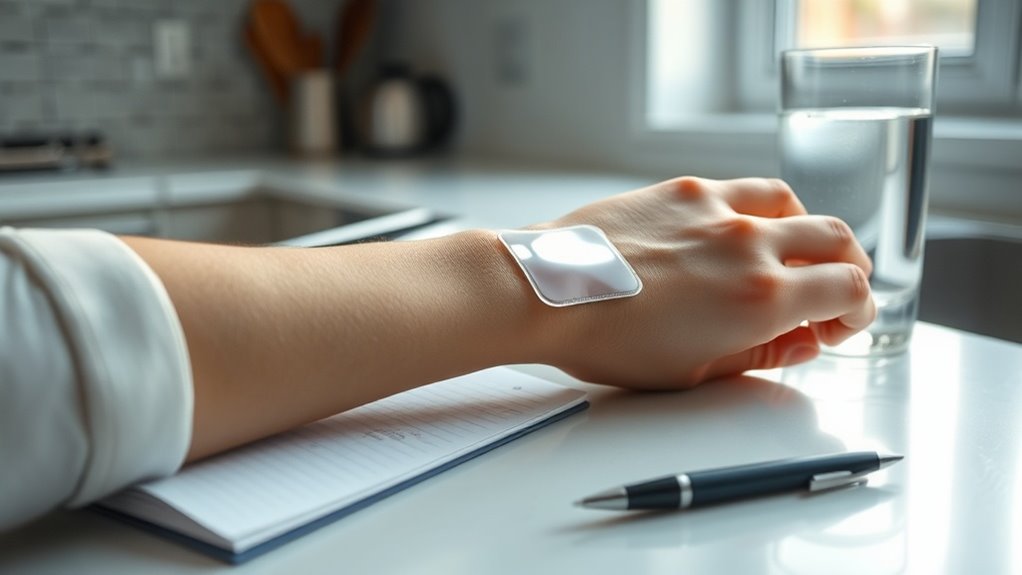
Real-world experiences with Nurapatch reveal a mix of practical benefits and common challenges, underscoring how patients adapt to a skin-applied GLP-1 approach. You’ll hear about ease of integration into daily routines, with discreet application and flexible wear time contributing to adherence. Yet, patient anecdotes also highlight issues like localized skin reactions or irritation, underscoring dermatology considerations that influence continuation. Observations suggest most users appreciate the steady, once-daily delivery and reduced injections, but some report variable adhesion, site soreness, or patch-removal during activity. Clinicians emphasize monitoring for dermatitis in at-risk populations and counsel patients on proper site rotation and skin care. Overall, real-world data support tolerability in many users, while signaling the need for individualized assessment and clear guidance about skin-related safety.
Dosing and Titration: Matching GLP-1 Therapy to Individual Needs
For Nurapatch GLP-1 therapy, tailoring the dose to the individual’s response and tolerability is key to optimizing efficacy while minimizing adverse effects. You’ll adjust dosing based on weight changes, appetite signals, and tolerability, guided by real-world data and trial findings. This approach emphasizes gradual titration and close monitoring to balance benefits against GI or very rare adverse events.
Tailor Nurapatch dosing through gradual, tolerability-guided titration for personalized weight and appetite outcomes.
- Lessons learned: early dose escalation improves tolerability without sacrificing weight loss
- Regulatory hurdles: label requirements and post-market surveillance shape practical dosing guidance
- Personalization: patient-reported outcomes inform steady adjustments over weeks
Careful titration supports sustained adherence, reduces discontinuation, and aligns therapy with varying metabolic needs.
Cost and Accessibility: Patches in the Treatment Landscape
What’s the price tag on skin-applied GLP-1 therapy, and how accessible is it across different health systems? In this cost and accessibility assessment, you’ll examine raw price points, reimbursement pathways, and patient out-of-pocket exposure for patches like NuraPatch. Available cost data suggest substantial variability by payer type, region, and negotiated formulary status, which drives divergent patient experiences. A rigorous cost analysis must account for device cost, supply cadence, and potential savings from reduced diabetes or obesity-related complications, balanced against monitoring requirements. Access barriers include formulary exclusions, regional funding gaps, and provider familiarity with patch-based regimens. Ultimately, you’ll compare patch economics to injectable alternatives, clarifying where skin-applied formats offer value and where affordability limits adoption within diverse health systems.
Future Prospects: Innovations in Skin-Applied Appetite Support
Could skin-applied GLP-1 patches redefine appetite support as we know it, or will technical and regulatory hurdles temper early gains? You’ll see ongoing innovations aimed at extending durability, improving adherence, and reducing skin reactions, but progress hinges on balancing efficacy with safety and ethics. Evidence suggests future designs may optimize drug loading, release kinetics, and patch stability across body sites, while modular systems could tailor dosing to individual needs. Regulatory science will increasingly scrutinize long-term safety and real-world performance, shaping adoption timelines. Patch ethics and skin comfort will stay central to acceptance.
- Next-generation materials will enhance skin compatibility and minimize irritation.
- Smart-release mechanisms could adjust dosing in response to biomarkers.
- Transparent post-market surveillance will address long-term safety and real-world effectiveness.
Common Questions
How Long Does Nurapatch Last Before Replacement Is Needed?
The patch lasts up to 7 days before replacement is needed. In practice, you should monitor for skin reactions and remove earlier if irritation occurs. Patch duration may vary by individual response, activity, and adherence to application instructions. If you notice redness, itching, or blistering, switch patches and consult your clinician. Skin tolerance can influence how long you safely keep it on. Always follow labeled guidance and document any adverse effects for accurate evaluation.
Can Patches Cause Skin Irritation or Allergies?
Yes, patches can cause skin irritation or allergic reactions. You might notice redness, itching, or warmth at the site (patch irritation) shortly after application. In rare cases, people develop a true allergy to adhesives or active ingredients, with swelling or persistent dermatitis. If you experience severe itching, blistering, or spreading rash, remove the patch and seek medical advice. Discuss alternative formats or patch materials with your clinician to minimize risks.
Is Patch Efficacy Affected by Skin Type or Body Location?
Yes, patch efficacy can vary with skin type and body location. You’ll see differences in skin absorption due to thickness, hydration, and vascularity, affecting how much GLP-1 enters your system. Patch placement matters: areas with higher blood flow or tougher skin may alter release rates. For consistent results, apply to clean, dry sites, rotate locations, and follow manufacturer guidelines to minimize variability in efficacy. Monitor for irritation and adjust accordingly.
Are There Activity or Shower Restrictions With Patches?
In the age of dial-up, you’ll want to know patch activity restrictions, shower considerations, disposal, and skin irritation. Generally, avoid intense rubbing or immersion after applying the patch; dry, clean skin helps absorption, and remove if redness or itching occurs. Showering usually ok but limit prolonged hot water; dry patch thoroughly. For disposal, fold adhesive sides together and discard per local guidelines. If irritation persists, consult your clinician.
How Should Patches Be Stored and Disposed of Safely?
Store patches at room temperature away from heat and moisture, and keep them in their original packaging until use. Dispose of used patches by folding sticky sides together and placing them in a sealed container to prevent skin contact, then discard per local guidelines. Watch for skin irritation; if it occurs, remove the patch and consult a clinician. Ensure patch efficacy isn’t compromised by exposure. For activity restrictions, follow product labeling.
All Together
You deserve a solution that fits into your life, not one that complicates it. With Nurapatch GLP-1, you can aim for steady support without the daily pill burden, helping you stay on track while you pursue real, lasting benefits—energy, appetite control, and a healthier cadence to your day. If you’ve felt boxed in by injections or unpredictable routines, this patch offers a practical alternative that keeps you in the driver’s seat, with fewer peaks and valleys and more predictable progress.
But the real difference comes from you: take advantage of the convenience, monitor how your skin responds, and stay engaged with your health journey. Learn what works best for your body, rotate and care for your application sites, and lean into the support and guidance available to you. You’re ready to choose a method that aligns with your life and goals—so take the next step toward control, confidence, and renewed energy today.
