
If you’re considering zinc gluconate capsules, you’ll find options that balance dose, form, and price for daily immune and wellness support. From reliable 30–50 mg choices to chelated varieties and third-party tested picks, there’s something for different needs and budgets. Curious about which best fits your routine, and how factors like bioavailability and vegan or non-GMO labels affect your decision? Let’s weigh the options and uncover the best fit for you.
Key Points
- Compare zinc gluconate capsule options by mg per serving (30–50 mg) to match daily needs and tolerance.
- Prioritize brands with clear third-party testing, COAs, and GMP certification for transparency and purity.
- Check allergen details (gluten, dairy, soy) and verify vegan/non-GMO labeling where relevant.
- Consider serving size and bottle count (60–365 capsules) for convenient daily use and supply duration.
- Look for notes on taking with meals to improve absorption and reduce stomach upset.
Zinc Gluconate Capsules for Immune Support (365)
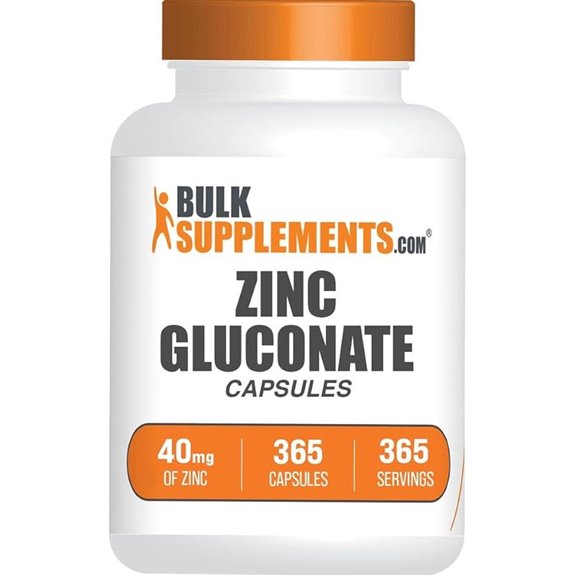
If you’re seeking a reliable daily zinc option to support immune health, Zinc Gluconate Capsules by BulkSupplements.com stands out for its straightforward, 40 mg per serving formula in an easy-to-swallow capsule—with a 365-count supply that keeps you stocked for months. You get gluten-free, 1 capsule per serving, and a solid foundation for overall wellness. This supplement integrates simply into your routine, ideally taken with your first meal. It’s produced in a cGMP-compliant facility and third-party tested for transparency and safety, ensuring consistent quality. BulkSupplements.com offers diverse forms and a broad range of supplements to tailor your regimen.
Zinc Supplement 50mg: Immune & Skin Health (60)
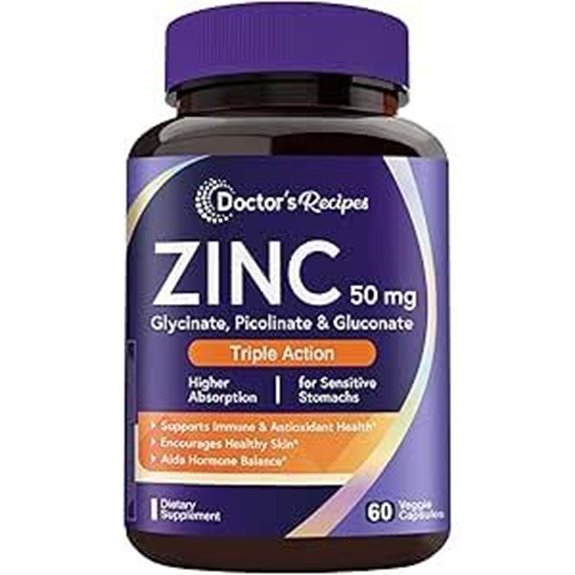
Zinc Supplement 50mg stands out for busy adults seeking a triple-action option—immune support, skin health, and hormone balance—delivered in a single daily capsule. You get 50 mg of chelated zinc (glycinate, picolinate, gluconate) in one easy dose, designed for superior absorption. This vegan, NON-GMO formula is Made in the USA, third-party tested, and free from soy, gluten, and dairy. It supports immune function, antioxidant activity, collagen production, and hundreds of enzymatic reactions essential for balance. With 455% RDV, you’ll cover daily needs for men and women, while targeting skin and hormonal health in a practical, reliable capsule.
NOW Foods Zinc Gluconate 50 mg – 100 Tablets
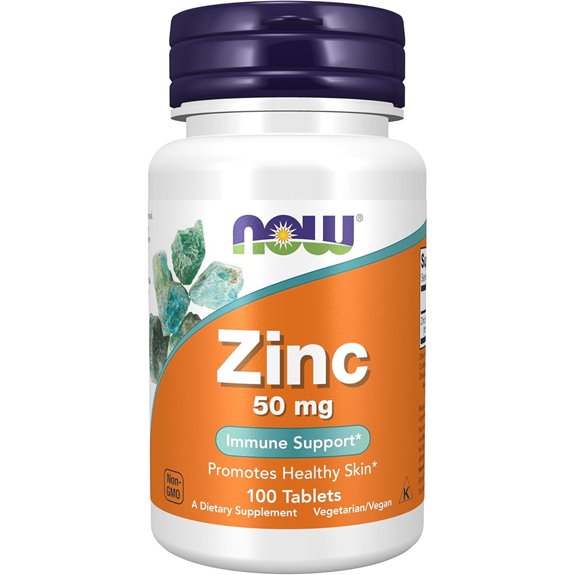
NOW Foods Zinc Gluconate 50 mg – 100 Tablets is a solid choice if you want a reliable, vegan-friendly zinc supplement that’s easy to dose and backed by strong quality standards. You’ll get 50 mg per tablet in a 100-tablet bottle from NOW Foods, a brand with vegan, kosher, halal, non-GMO, soy-free, and sugar-free classifications. Zinc supports enzyme functions across skeletal, immune, neurological, and endocrine systems, and acts as a co-factor in many metabolic reactions, RNA/DNA synthesis, and intercellular signaling. It also promotes healthy skin and aging, with GMP quality assurance and U.S. packaging by a family-owned company since 1968.
Pure Encapsulations Zinc 30 mg – 60 Capsules
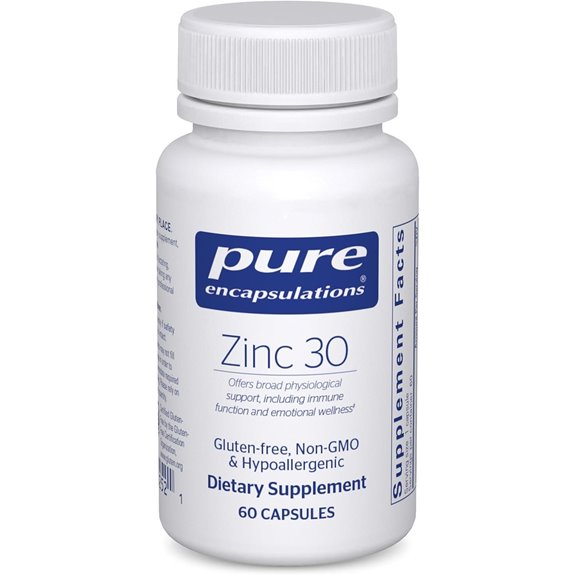
Pure Encapsulations Zinc 30 mg, 60 capsules, offers highly absorbable zinc in a simple, allergen-free formula, making it a strong choice for anyone prioritizing purity and immune support. You get zinc picolinate at 30 mg per capsule, with 60 capsules total, designed to fit daily routines. This supplement supports your body’s natural defenses and aids immune function, while also promoting wound healing and helping with B vitamin absorption. It backs digestion and metabolism of nutrients and supports normal fetal and reproductive development. Pure Difference means allergens, artificial additives, and GMOs are absent, preserving purity and bioavailability.
Nature Made Zinc 30 mg Dietary Supplement (100 Day)
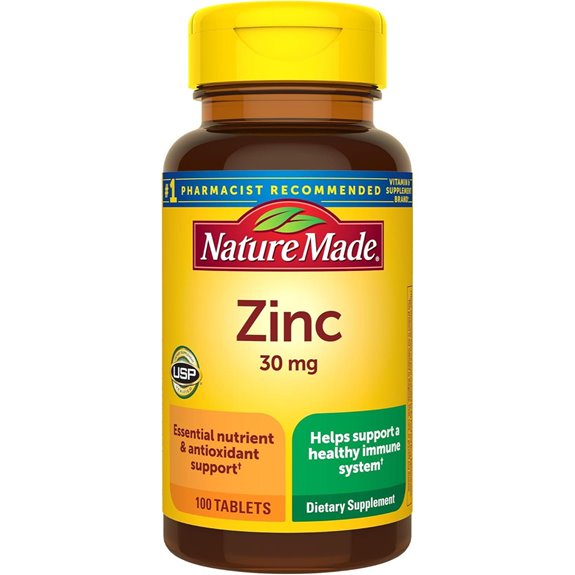
If you’re seeking a reliable, long-lasting zinc option with USP verification, this Nature Made 30 mg supplement is a solid pick for daily immune support. This product delivers 30 mg zinc per tablet, with a 100-day supply in gluten-free, no-artificial-flavor, no-preservatives form. It’s USP Verified and widely regarded as pharmacist-recommended, reinforcing trust in its quality. You take one tablet daily with water and a meal to support immune health, antioxidant activity, and skin health. While not a disease treatment, it supports the body’s defenses and enzyme function, aligning with general wellness goals. FDA statements aside, it’s a straightforward daily zinc option.
NOW Foods Zinc Gluconate 50 mg – 250 Tablets
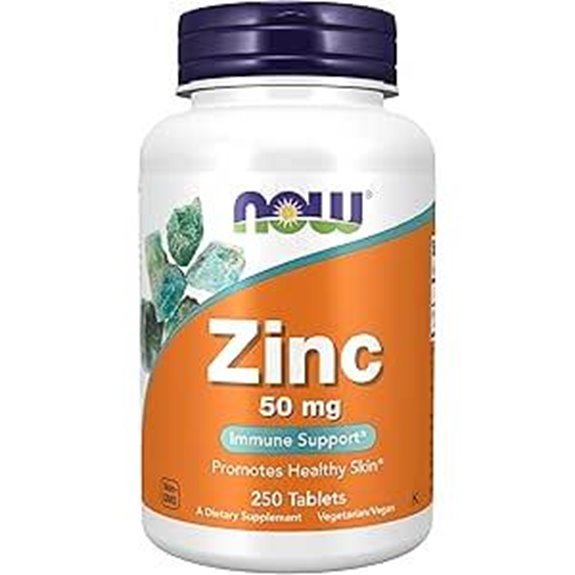
A great option for those seeking thorough daily support, NOW Foods Zinc Gluconate 50 mg offers a robust 250-tablet bottle that fits long-term use. Each tablet delivers 50 mg of zinc to support enzyme functions, immune response, and healthy skin. It’s essential for normal function across skeletal, immune, neurological, and endocrine systems, serving as a co-factor in hundreds of enzymatic reactions including protein and carbohydrate metabolism and RNA/DNA synthesis. This vegan, soy-free, kosher, non-GMO, halal, and sugar-free supplement is GMP-certified and proudly packaged in the USA by a family-owned company since 1968. Daily use promotes antioxidant activity and aging health.
Nature’s Bounty Zinc 50mg: Immune & Antioxidant Support
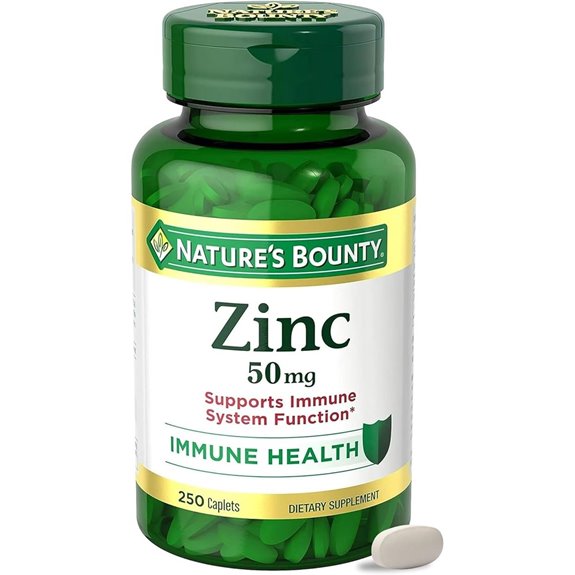
Nature’s Bounty Zinc 50mg stands out for those seeking a simple, once-daily immune support with antioxidant benefits. This caplet delivers 50mg zinc per day, supporting immune function, DNA formation, and collagen-related skin health. You’ll get 250 vegetarian caplets per bottle, gluten-free and suitable for vegetarians, with no artificial flavors or sweeteners. Take one caplet daily, preferably with a meal, for overall wellness. As a trusted brand, Nature’s Bounty emphasizes quality and scientific backing, making it a reliable choice for immune and antioxidant support. If you want straightforward dosing and dependable ingredients, this zinc option fits your routine.
Factors to Consider When Choosing Zinc Gluconate Capsules
When you pick zinc gluconate capsules, check the zinc form options, the labeled dosage strength, and how easily your body can absorb it. Look for clear dosage guidance, potential absorption boosters, and any notes on purity, allergens, and third-party testing. This helps you compare options quickly and choose a capsule that fits your needs and safety preferences.
Zinc Form Options
Choosing the right zinc gluconate capsule means weighing strengths, forms, and packaging options to fit your routine. You’ll notice capsules come in common strengths like 30 mg or 50 mg per capsule, so you can match your daily zinc needs. Some products pair zinc gluconate with other zinc forms, such as picolinate or glycinate, for potential absorption differences. Capsule formulations often highlight gluten-free, vegan, or non-GMO attributes, so you can pick a label that aligns with your dietary choices. Packaging varies, with options from 60–100 capsules for a month and up to 250–365 capsules for longer use. Label claims commonly emphasize immunity support, antioxidant activity, and skin health, helping you gauge expected benefits at a glance.
Dosage Strength Clarity
Do you know the exact zinc content per capsule? When you compare zinc gluconate capsules, check the labeled amount per capsule—most come in 30 mg or 50 mg. Look for the exact zinc content per serving to match your desired daily intake. Some products claim higher elemental zinc in complex forms; distinguish between zinc content per capsule and elemental zinc provided. Verify that the capsule strength aligns with your recommended daily allowance or your doctor’s guidance to avoid under- or over-supplementation. Be aware that multi-form chelated zinc products may list total zinc differently from gluconate-specific doses; confirm the gluconate-specific strength on the label. Clear labeling helps you choose confidently and stay on target with supplementation.
Bioavailability Factors
Bioavailability matters more than label strength alone. When choosing zinc gluconate capsules, consider the form of zinc, since chelated options (glycine, picolinate) can absorb more readily than simple salts. The presence of amino acids or organic acids bound to zinc can boost solubility and intestinal uptake, improving overall absorption. Capsule excipients and how quickly capsules disintegrate affect dissolution, influencing how fast zinc reaches absorption sites. Hydration status also matters, as it can alter dissolution and transit. Daily dosage and consistency—typically around 30–50 mg per serving—shape steady-state zinc levels over time. Individual factors, such as age, gut health, and concurrent mineral intake (iron or calcium), can modulate absorption and utilization, guiding your selection.
Purity and Allergens
Wondering how purity and allergen considerations impact your zinc gluconate choice? When you shop, check allergen information and seek labels that say free from common allergens like gluten, dairy, and soy to minimize exposure risks. Verify the product uses zinc gluconate specifically, since other zinc forms can differ in purity and allergen declarations. Look for certifications or statements about third-party testing to confirm purity and accurate ingredient listing. Review “free from GMOs” or vegan/vegetarian claims if avoiding animal-derived ingredients matters for your needs. Also, ensure the label lists potential cross-contamination risks and facility practices so you can assess broader allergen exposure during manufacturing. This diligence helps you select a safer, cleaner option without unnecessary guesswork.
Third-Party Testing
Third-party testing adds an independent layer of verification to zinc gluconate capsules, building on purity and allergen considerations you’ve already checked. You’ll want to verify that the product’s potency and ingredient identity align with the label, beyond the manufacturer’s claims. COAs from reputable labs detail heavy metals, allergens, microbiological contamination, and microbiome risk, giving you tangible evidence of safety and content. Brands that publish COAs or share them on request demonstrate transparency and foster trust. This testing helps ensure the capsules deliver the intended zinc content, typically 30–50 mg per capsule, without excessive contaminants. Credibility strengthens when the testing agency is accredited (ISO/IEC 17025) and COAs include batch numbers and test methods for traceability.
Brand Reputation
Brand reputation matters because it signals overall quality you can trust. Look for brands with clear third-party testing and GMP certification to validate quality and purity. Favor labels that disclose zinc form (gluconate) and per-serving zinc amount (typically 30–50 mg) so you can compare potency accurately. Check for allergen and ingredient transparency, noting gluten-free, vegan, or non-GMO claims as applicable to your needs. Consider manufacturers with long-standing industry presence or family-owned operations cited for manufacturing reliability. Review third-party verifications (such as USP or equivalent) and ensure batch-specific testing is performed for consistency. A solid reputation also reflects consistent packaging, clear instructions, and responsive customer support. Prioritize brands that align with your quality expectations and long-term supplement goals.
Serving Convenience
Choosing zinc gluconate capsules for convenience means weighing capsule size, dosing, and bottle quantity. You’ll notice most capsules target 30–50 mg per pill, aligning with common daily patterns. Consider whether you prefer a 30- or 50-mmg capsule and if you can handle a single daily dose. Bottle counts vary widely—from 60 to 365 capsules—changing how long your supply lasts and how often you’ll restock. Some formulations note taking with meals to aid absorption and reduce stomach upset, which can influence daily routine. Easy-to-swallow form factors also boost adherence for ongoing immune-support regimens. Weigh how these elements fit your schedule, from meal timing to refill frequency, to choose a option that minimizes hassle without sacrificing coverage.
Value and Quantity
When weighing value and quantity, start by checking total capsules per bottle to gauge how long your supply will last and how often you’ll restock. Look for options ranging from 60 to 365 capsules to assess value at a glance. Next, compare per-serving zinc amounts (commonly 30–50 mg) to estimate how many days a bottle will cover based on your daily dose. Higher-capacity bottles (250–365 capsules) often offer better long-term value than smaller packs. Don’t overlook third-party testing and GMP certs, which signal quality relative to price. Also consider whether a value-focused option uses premium chelated forms or standard zinc gluconate versus multi-form blends, as this can affect cost per dose and overall effectiveness.
Common Questions
How Much Zinc Gluconate Is Absorbed Daily on Average?
The average absorption of zinc gluconate you’ll get daily varies, but you typically absorb about 20–40% of what you ingest. If you take a 15–30 mg dose, you might absorb roughly 3–6 mg per serving. Factors like stomach acid, food, and interactions with copper or iron can alter absorption. To optimize uptake, take it on an empty stomach or with meals as advised, and avoid high-dose supplements unless directed.
Are Zinc Gluconate Capsules Vegan-Friendly?
Are zinc gluconate capsules vegan-friendly? Yes, they can be. You’ll want to check the capsule itself, since some are made of gelatin (not vegan) while others use vegan alternatives like pullulan or HPMC. You’ll often be safe if the product is labeled vegan or plant-based. You should also verify the vitamin/mineral blend and any additives. When in doubt, contact the manufacturer for a definitive vegan confirmation.
Can Zinc Gluconate Interact With Medications I Take?
Yes, zinc gluconate can interact with certain medications. You might notice reduced absorption of antibiotics like tetracyclines or fluoroquinolones if you take them with zinc. It can also interfere with penicillamine, certain diuretics, and NSAIDs in some people. To stay safe, space zinc by at least two hours from these meds and consult your clinician or pharmacist about your specific prescriptions and doses before starting zinc supplements. Seek medical advice promptly if you notice unusual symptoms.
What Is the Best Time of Day to Take It?
Taking zinc gluconate with meals is usually best, so you can avoid stomach upset and improve absorption.
Think of your day as a clockwork, and you’ll fit it in as a regular habit. If you’re taking zinc for a specific condition or meds, follow your label or doctor’s guidance. Otherwise, a consistent daily time—often with a meal—helps. Don’t take it right before bed if you notice stomach discomfort. Adjust as needed.
Do Zinc Gluconate Capsules Affect Copper Levels?
Yes, zinc gluconate can lower copper levels if you take high doses over time. You might notice reduced copper stores, which can affect nerves and blood health. To avoid this, don’t exceed recommended amounts and consider a copper-containing multivitamin if you’re on long-term zinc. If you have a medical condition or take other meds, check with your clinician. Monitor symptoms like fatigue or pale skin, and get tested if concerned.
Editor’s Pick — GLP-1 Support
Hello100 GLP-1 Booster — Supports GLP-1 receptor activity to help manage appetite naturally. No prescription needed.
Check Price & Availability → *Affiliate link